
Familial Hypercholesterolemia: Early Detection and Aggressive Treatment Guide
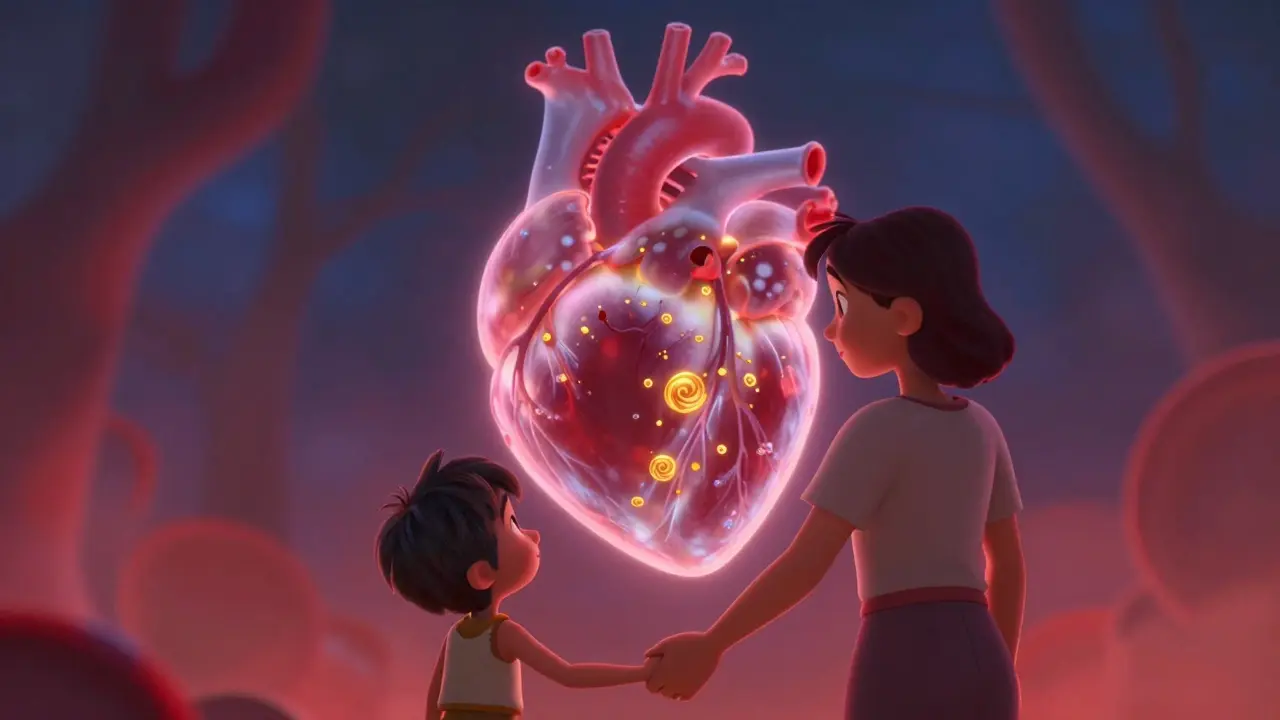
Did you know that untreated inherited high cholesterol can shorten your life expectancy by 30 years?
Familial Hypercholesterolemia is not just "high cholesterol." It is a silent genetic condition that affects roughly 1 in 250 people worldwide, yet most remain undiagnosed. This genetic disorder causes dangerously high levels of low-density lipoprotein (LDL) cholesterol from birth, setting the stage for premature heart attacks and strokes. While standard high cholesterol often responds to lifestyle changes, FH does not wait. Without aggressive intervention, damage accumulates silently for decades.What Is Familial Hypercholesterolemia?
To understand why this condition demands immediate attention, you need to see how it differs from typical cholesterol issues. Most people develop high cholesterol through aging, poor diet, or obesity. That type is manageable. Familial Hypercholesterolemia (FH) is different because it is genetic. You inherit it from one or both parents via an autosomal dominant pattern. Think of it like eye color; if one parent has the gene, there is a 50% chance you do too.
This condition results from faulty genes responsible for clearing cholesterol from your blood. Your liver essentially stops working efficiently at removing LDL. Consequently, LDL particles sit in your bloodstream and slowly penetrate artery walls. This leads to plaque buildup, known medically as atherosclerosis, which narrows arteries and blocks blood flow.
There are two main forms of this condition:
- Heterozygous FH (HeFH): You inherit one bad gene from one parent. This affects about 1 in 200 to 250 people. LDL levels usually range between 190 mg/dL and 300 mg/dL in adults.
- Homozygous FH (HoFH): You inherit bad genes from both parents. This is rare (1 in 160,000 to 1 million) but severe. LDL levels can exceed 400 mg/dL.
The Hidden Danger of High LDL
Why should you care if you feel fine? Here is the scary part: symptoms often appear too late. By the time you experience chest pain or shortness of breath, significant damage is already done. Research indicates that individuals with untreated HeFH face an eight-fold increase in cardiovascular risk compared to the general population.
The timeline of damage starts before you were born. LDL begins accumulating in your arteries while you are still in the womb. If left unchecked, the European Society of Cardiology notes that men with FH could lose approximately 30 years of life expectancy, while women may lose 25 years. This isn't speculation; it is based on long-term clinical observations.
Physical signs sometimes appear before a heart event occurs. Look out for:
- Xanthomas: Yellowish cholesterol deposits around tendons, especially on the knuckles or Achilles heel.
- Corneal Arcus: A grey or white ring around the cornea of the eye, common in younger people with FH.
- Early heart attacks: A father having a heart attack before 55 or a mother before 65 suggests FH in the family line.
| Type | Genetic Pattern | Prevalence | Adult LDL Level (mg/dL) | Risk Profile |
|---|---|---|---|---|
| Heterozygous (HeFH) | One affected gene | 1 in 200 | >190 | Moderate to High |
| Homozygous (HoFH) | Two affected genes | 1 in 160,000 | >400 | Extremely High |
| Tailored Standard Care | N/A | General Population | <190 | Low (unless other factors) |
How We Detect FH Early
Historically, we relied on luck-a family member getting sick first to warn everyone else. Now, we have better tools. The gold standard for diagnosis involves looking at two things: your lipid panel numbers and your family history.
Clinicians often use scoring systems like the Dutch Lipid Clinic Network (DLCN) criteria. These tools assign points for physical signs, family history, and blood test results. A high score strongly suggests FH even without a DNA test. However, the most definitive method is molecular genetic testing. Despite its precision, cost barriers prevent universal use in some regions.
This brings us to the most powerful strategy: Cascade Screening. Imagine finding one person with FH. Because the trait skips generations less often than others, their children, siblings, and even nieces/nephews have a significant chance of carrying the gene.
Here is how cascade screening works:
- A "proband" (the first diagnosed person) undergoes genetic confirmation.
- If a mutation is found, relatives get tested for that specific DNA change.
- If no mutation is found, relatives get screened via blood tests for LDL levels.
This domino effect is incredibly efficient. Studies show cascade screening identifies cases faster and cheaper than random population testing. In countries like the Netherlands, systematic screening has identified thousands of cases, preventing deaths that would have otherwise occurred.
For children, the rules differ. The American Academy of Pediatrics recommends universal lipid screening for all kids between ages 9 and 11. This catches those who might not have an obvious family history because they came from an undiagnosed branch of the tree.

Aggressive Treatment Protocols
Detection is useless without action. The goal isn't just to lower numbers slightly; it is to bring LDL into a safe range. For FH patients, normal standards do not apply. Guidelines from 2023 suggest adult LDL targets should be below 100 mg/dL, and ideally closer to 70 mg/dL, depending on risk factors.
Treatment is lifelong. Stopping medication means the damage resumes. Fortunately, modern medicine has powerful tools to manage this.
Statin Therapy
Statins are the foundation. They work by blocking the enzyme that produces cholesterol in the liver. High-intensity statins can reduce LDL by 50% or more. However, many FH patients cannot reach targets with statins alone due to the severity of their defect. They need combination therapy.
Ezetimibe
Often added to statins, ezetimibe blocks the absorption of dietary cholesterol in the gut. It provides an extra 15-20% drop in LDL levels, helping those stubborn numbers go down further.
PCSK9 Inhibitors and New Agents
This is where recent breakthroughs shine. Drugs like evolocumab and alirocumab are injectable medications that tell the liver to produce more LDL receptors. Even more revolutionary is inclisiran. Approved by the FDA in 2021, it is a small interfering RNA (siRNA) drug injected only twice a year. This improves adherence significantly because patients don't need monthly injections.
In extreme cases (Homozygous FH), treatments include lipoprotein apheresis (literally filtering blood like dialysis) or liver transplants, though these are reserved for the most severe failures of medical management.
Can Life Expectancy Be Normalized?
This is the question patients ask most. The short answer is yes, but only if you start early. Data from the NIH shows that if treatment begins in childhood (age 2 is ideal if one parent has FH, or immediately if both), life expectancy can match the general population.
The reality is stark for late starters. If treatment starts after the first heart attack has occurred, the primary prevention window closes. The focus shifts to survival and preventing recurrence, rather than maintaining perfect arteries. This emphasizes why identifying family members immediately after a diagnosis is a moral imperative for doctors.
Adherence plays a massive role here. Consistent use of medication maintains plaque stability. Fluctuating LDL levels-stopping and starting meds-can be more dangerous than stable, moderately elevated levels.

Lifestyle Still Matters
Do not think medication makes food irrelevant. Genetics load the gun, but lifestyle pulls the trigger. A Mediterranean-style diet helps control inflammation and supports medication efficacy. Regular aerobic exercise strengthens the heart muscle and improves vascular function.
However, unlike regular high cholesterol, diet alone will not cure FH. You might eat the cleanest diet in the world, and your LDL could still sit above 190 mg/dL. You still need pharmacological help. Lifestyle optimizes the treatment; it does not replace it.
Next Steps for You
If you suspect FH, stop guessing and act.
- Check your records: Look back at old lab reports. Did you ever have LDL over 190 mg/dL?
- Ask family: Do your parents or siblings have heart disease history under age 55?
- Book an appointment: Speak to a lipid specialist or cardiologist specifically about FH, not just "cholesterol." General practitioners often miss the nuances of FH management.
- Prioritize screening: If one child tests positive, test the whole family. It saves lives.
The gap between knowledge and action is where the damage happens. Closing that gap saves decades of life.
Frequently Asked Questions
Does Familial Hypercholesterolemia cause heart attacks in young people?
Yes. Untreated FH increases the risk of heart attacks significantly. Men may suffer events in their 30s or 40s, while women typically face higher risk post-menopause. Early onset heart disease is the hallmark sign.
Is genetic testing mandatory for diagnosis?
No. Clinical criteria (like LDL levels and physical signs) can diagnose FH genetically confirmed testing validates the diagnosis but is often used primarily for cascade screening relatives once a mutation is identified.
Can children take cholesterol medication safely?
Yes. Current guidelines support starting statin therapy in children with FH as early as age 2, provided parental consent and monitoring. Risks of lifelong untreated high cholesterol outweigh risks of early medication.
How often should I monitor my cholesterol levels?
When starting new treatment, every 3 months. Once stable, annual checks are sufficient unless your provider suggests otherwise. Consistency ensures the dosage remains appropriate for your changing physiology.
Is diet enough to control FH?
No. Diet alone usually lowers LDL by only 15-20%. Because the genetic defect creates excess production internally, you almost always require medication to reach target levels.
Who qualifies for Cascade Screening?
First-degree relatives (parents, siblings, children) definitely qualify. Second-degree (grandparents, nephews, nieces) are also recommended to be tested once the familial link is established.
Are there visible signs of FH on the body?
Sometimes. Watch for tendon xanthomas (bumps on ankles/hands) or a white ring around the eyes (corneal arcus). However, many carriers have no visible signs until a cardiac event occurs.
You really need to wake up to what is happening inside your own body right now. It is terrifying to think how silent this killer actually is while you go about your normal day. Most people walk around completely unaware they are ticking time bombs waiting to go off. Your liver works overtime trying to filter out cholesterol that simply refuses to leave your bloodstream. I know someone who lost a parent way too young because nobody checked their levels when they were kids. It feels so unfair that genetics dictate such a heavy burden before you even take your first step. Imagine building plaque under your skin without ever feeling any pain until it is absolutely too late. The scary part is that eating salad won't fix this genetic glitch in your system. You have to fight fire with medication because diet changes alone just aren't enough for this. Doctors often push back on aggressive treatment plans until damage is already visible on scans. We have to demand better testing for our children if there is any history of heart attacks in the family line. Early detection saves lives but most families ignore the red flags hidden in plain sight. Those yellow spots on tendons are literally warnings screaming for medical help before the arteries close. We cannot afford to wait another decade for symptoms that might never appear until it is game over. Your life expectancy is literally being stolen bit by bit without any chance to catch a breath.
Stay strong and don't let fear stop you from taking control today.
Just get screened because knowledge is power and nothing else matters more than protecting yourself
The average person doesn't understand lipid profiles well enough to grasp the nuance here. People think cholesterol is a bad guy but in reality it is just misplaced infrastructure that the body mismanages. You need to respect the biochemistry rather than panic over a number on a lab sheet. Most primary care physicians lack the specialized training to handle complex metabolic disorders effectively.
Oh sure let the experts tell you that your genes are just misplaced infrastructure instead of actual danger. Everyone knows a statin pill fixes everything yet here we are arguing about philosophy. If you inherited the gene why are you worrying about diet when biology has already decided your fate for you. Stop pretending lifestyle changes work when the hardware is fundamentally broken from the factory floor.
i really wish more peopl got tested eariler in life. my cousin had a bad scare last year and didint know he had the gene thing. its sad when yuo feel fine but your heart is strugling quietly. we shuld check our famliy records more often. doctors dont always tell u about the signs unless u ask directy.
The tapestry of health is woven with invisible threads that only show their color during crisis moments. We exist in a fragile state where biology writes scripts we cannot edit easily without intervention. It is profound how much silence holds power over human mortality rates in developed nations. Your story resonates deeply with the collective struggle against unseen genetic forces at play.
This topic requires immediate attention and those who dismiss it do so at their own peril. Society fails individuals by not implementing mandatory screening programs for high-risk genetic markers universally. We must prioritize public health initiatives that target cardiovascular risks before clinical events occur. Ignoring the statistical probability of premature death is a negligence of the highest order.
we should focus on hope and finding new ways to manage this condition together everyone is doing their best to learn more. research is moving fast and treatments are getting better every single day for patients. staying positive helps your immune system stay strong even when facing hard news about genetics. you are never alone in this journey and support networks are amazing resources.
why are you acting like its easy when i know somebodys dad died suddeny of a heart attack at 42. it dosent matter how positive you feel if the doctor tells you LDL is over 300. people like you dont know the pain of seeing family members suffocate from clogged vessels inside. stop giving advice when you havent seen a biopsy report with massive plaue build up.
We need to discuss the efficacy of PCSK9 inhibitors alongside traditional statin therapy for heterozygous presentations. Cascade screening of first-degree relatives remains the gold standard protocol for identification purposes currently. HMG-CoA reductase inhibition alone is insufficient for managing autosomal dominant lipid disorders effectively. Pharmacogenomics might offer personalized solutions soon for patients with receptor defects.