
How to Prepare for a Medicare Annual Medication Review: Step-by-Step Guide for Seniors
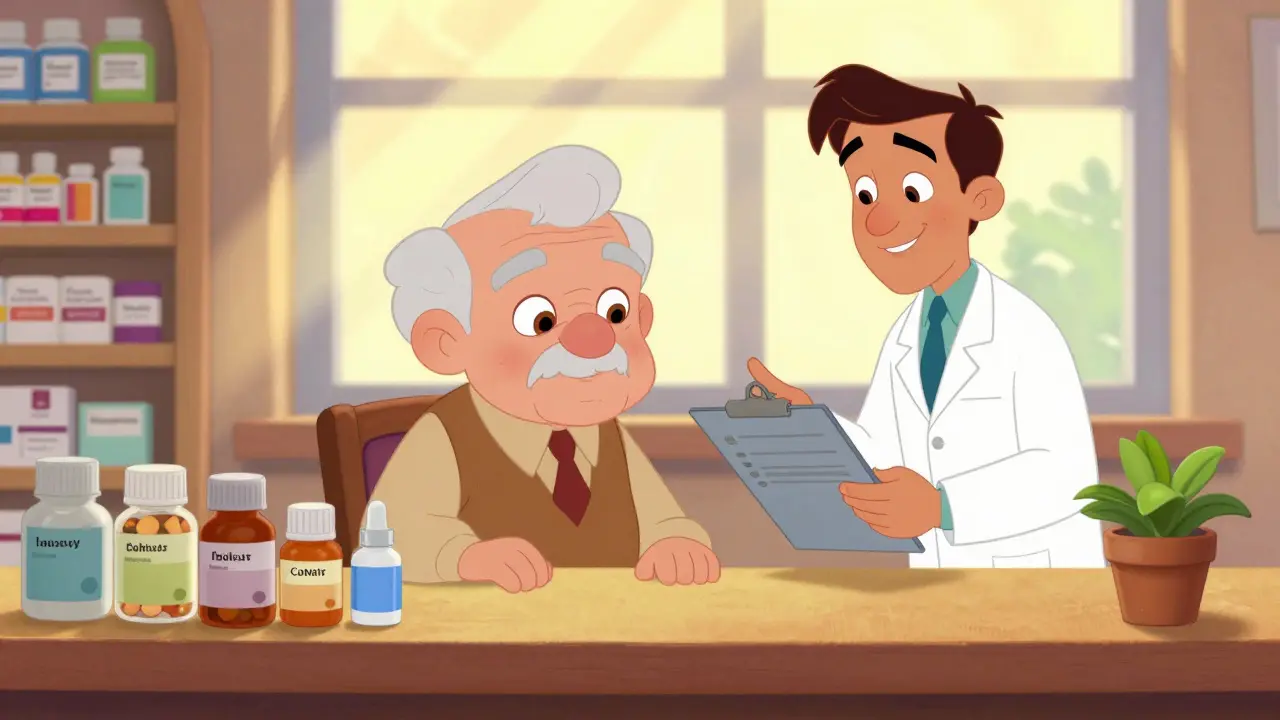
Every year, millions of seniors on Medicare get a chance to sit down with a pharmacist and go over every single medication they’re taking - prescription drugs, over-the-counter pills, vitamins, herbal supplements, even that fish oil capsule they’ve been taking since 2018. This isn’t just a quick chat. It’s a Medicare Annual Medication Review, officially called a Comprehensive Medication Review (CMR). And if you’re eligible, it’s free. But here’s the catch: the better you prepare, the more value you get out of it. Many people show up with nothing but a vague memory of what they take. Others bring a full binder, a list of questions, and even a family member. Guess who walks away with fewer side effects, lower bills, and clearer instructions? The ones who prepared.
What Exactly Is a Medicare Annual Medication Review?
The Medicare Annual Medication Review is required by law. It’s not optional for your plan. Every Medicare Part D drug plan must offer it to eligible beneficiaries at least once a year. This isn’t just about checking if you’re taking your blood pressure pill. It’s a full audit of everything you swallow - including what you buy without a prescription.
A licensed pharmacist runs the review. They’ll look at all your meds: prescriptions, OTC painkillers, heartburn meds, herbal teas, magnesium supplements, even eye drops and skin creams. They check for dangerous interactions, duplicate drugs, unnecessary pills, and whether you’re actually taking them the way they’re supposed to be taken. The goal? To catch problems before they cause a hospital visit, a fall, or a costly emergency.
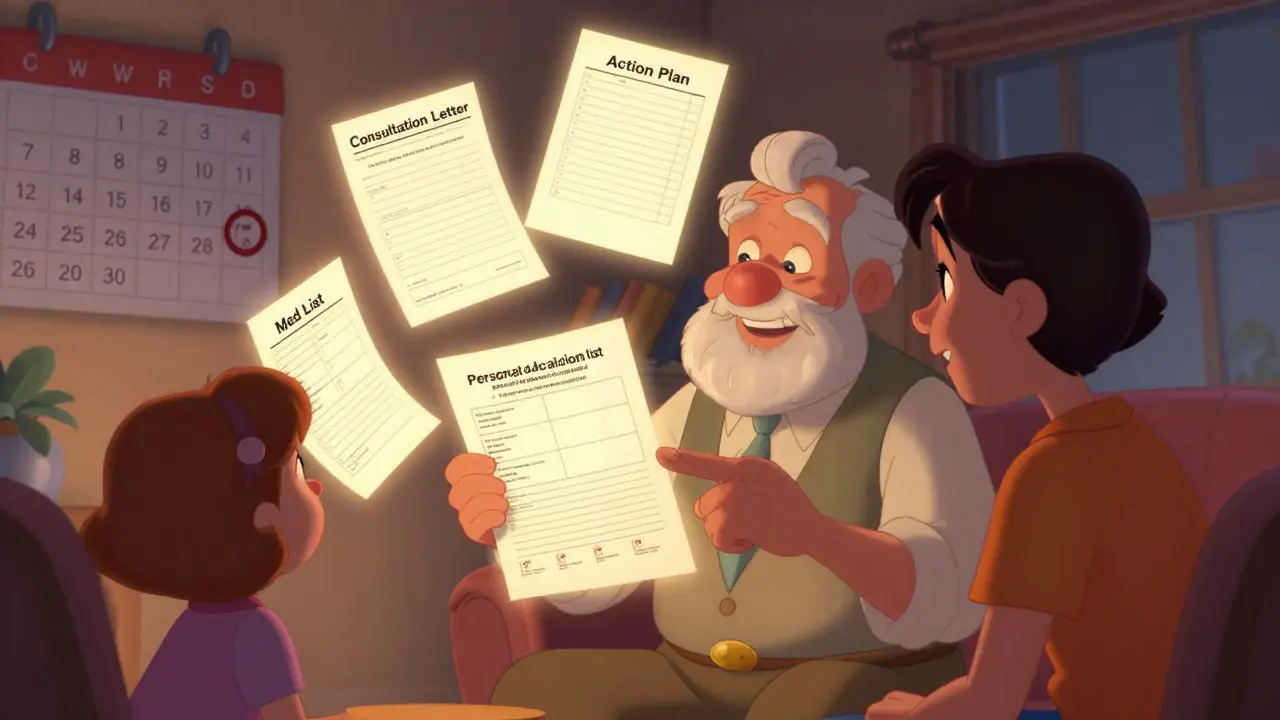
The review ends with three key documents: a Consultation Letter explaining what was discussed, a Medication Action Plan with clear next steps, and a Personal Medication List you can carry with you. This isn’t just paperwork. It’s your personal medication roadmap for the year.
Who Qualifies for the Review?
You don’t need to ask for it - your plan should reach out if you’re eligible. But not everyone gets invited. As of 2025, you qualify if you meet any two of these three criteria:
- You have at least two chronic health conditions (like diabetes, heart disease, COPD, kidney disease, or high blood pressure)
- You take at least two Part D-covered prescription medications (including maintenance drugs like insulin or statins)
- You spent over $1,623 out-of-pocket on covered Part D medications in the past year
That’s a big change from just a few years ago. Before 2024, you needed three chronic conditions and eight or more medications. Now, the bar is lower. More seniors - especially those with just a few high-cost drugs - are getting invited.
Even if you don’t get a letter, you can still request a review. Call your Part D plan’s customer service line. Ask for a Comprehensive Medication Review. You’re entitled to it if you meet the criteria.
How to Prepare: The 5-Step Checklist
Preparation makes all the difference. Studies show that seniors who come prepared have a 78% higher satisfaction rate than those who don’t. Here’s exactly what to do:
- Gather every medication you take - all of them. This includes prescriptions, OTCs like ibuprofen or antacids, vitamins, herbal supplements (like ginkgo or turmeric), eye drops, inhalers, patches, and even topical creams. Don’t forget the ones you only take “as needed.” Bring the actual bottles. Labels have the dose, frequency, and prescriber info. If you can’t find a bottle, write down the name, dose, and why you take it.
- Make a written list - even if you have one already. List every item in order: medication name, dose, how often you take it (e.g., “10 mg once daily”), and why (e.g., “for cholesterol”). Include the name of the doctor who prescribed it. If you’re unsure about something, write “Not sure” next to it. This list becomes your reference during the review.
- Write down your concerns - what’s bothering you? Do you feel dizzy after taking your morning pill? Does your stomach hurt after your arthritis meds? Have you skipped doses because they’re too expensive? Did your doctor change your dose last month and you’re not sure why? Write it all down. These are the exact things the pharmacist needs to know.
- Bring recent health changes - any new diagnosis, hospital stay, ER visit, or lab result in the last six months? Especially if it relates to your meds. For example, if your kidney function dropped last month, that affects which drugs are safe for you. Bring copies of recent lab reports or doctor notes.
- Bring someone with you - a spouse, adult child, or friend. The review takes 30 to 60 minutes. It’s easy to forget details, especially if you’re managing multiple conditions. A second set of ears helps you remember what was said and ask follow-up questions later.
What Happens During the Review?
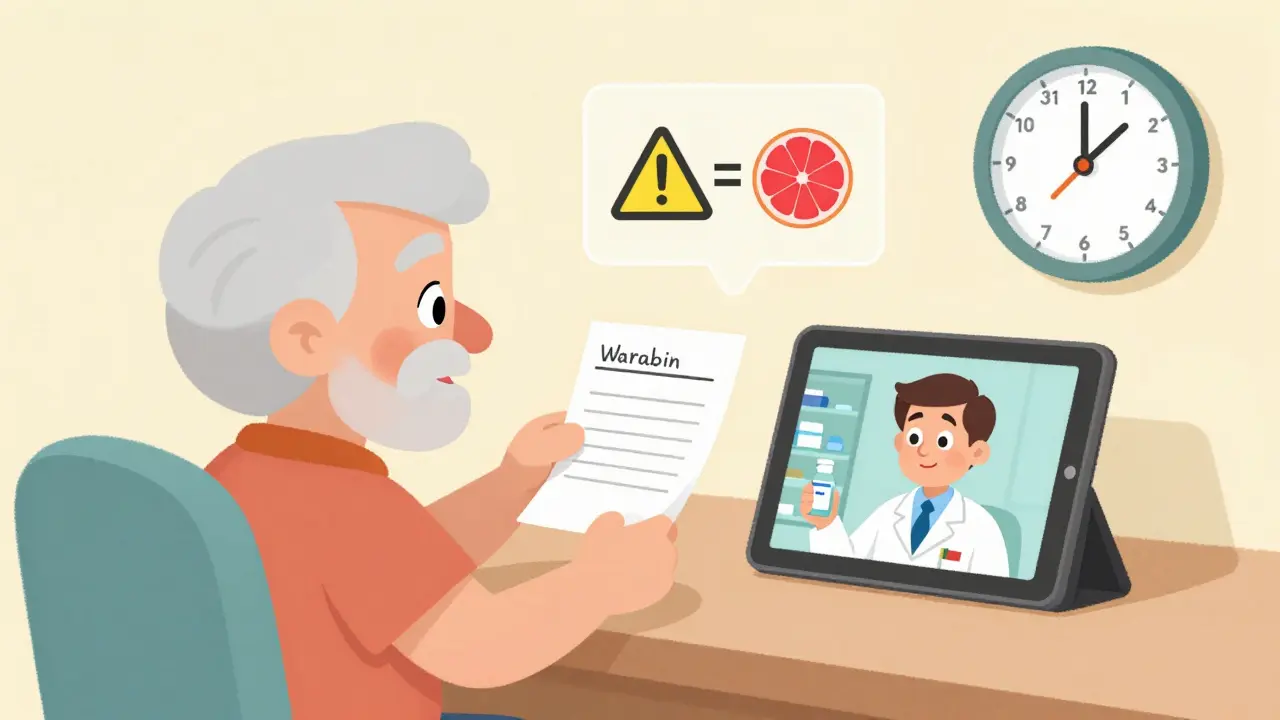
You’ll meet with a pharmacist - either in person at a pharmacy, over the phone, or via video call. They’ll start by comparing your list to what’s in your plan’s records. They’ll spot mismatches: “You said you take 20 mg of lisinopril, but your records show 40 mg. Which is right?”
Then they’ll dig deeper:
- Are you taking two drugs that do the same thing? (Like two different blood pressure pills that overlap)
- Is one of your meds causing side effects that look like new health problems?
- Are you taking something you don’t need anymore? (Like an old antibiotic or a painkiller from a past injury)
- Are any of your meds too expensive? Could a generic or lower-cost alternative work?
- Are you having trouble swallowing pills or remembering when to take them?
They’ll also check for interactions with foods, supplements, or other drugs. For example, if you’re on warfarin (a blood thinner), taking too much vitamin K (from greens or supplements) can make it less effective. Or if you’re on statins, grapefruit juice can make side effects worse.
The pharmacist doesn’t change your prescriptions. But they’ll tell you what they found - and suggest you talk to your doctor about changes. They’ll also update your Personal Medication List so you have an accurate, up-to-date copy to carry in your wallet.
Real-Life Wins: What People Have Discovered
One woman in Ohio brought her 14 medications to her review. The pharmacist spotted she was taking two different versions of the same cholesterol drug - one brand, one generic. She was doubling up without knowing. That’s a waste of money and a risk for side effects.
An 82-year-old man in Florida was taking daily melatonin for sleep. The pharmacist found he was also taking a multi-symptom cold medicine that contained melatonin. He was taking double the recommended dose. He stopped the cold med - and slept better.
Another senior found out her blood pressure pills were causing her to feel dizzy when she stood up. The pharmacist suggested a timing change: take them at night instead of in the morning. No more falls. No more ER visits.
These aren’t rare cases. A 2023 study found that 43% of seniors who had a full CMR had at least one medication problem identified - and 89% of those problems were fixed.
What to Do After the Review
You’ll get three documents:
- Consultation Letter - a summary of what was discussed
- Medication Action Plan - next steps, like “Talk to your doctor about switching from drug A to drug B”
- Personal Medication List - your updated, accurate list to carry with you
Keep these in a folder. Show them to your doctor at your next visit. If the action plan says to change a dose or stop a med, don’t wait. Call your doctor’s office. Ask if you can schedule a short appointment just to discuss the pharmacist’s recommendations.
Also, update your list every time you get a new prescription or stop a med. Use your phone to take a photo of the new label. That way, next year’s review will be even easier.
Common Mistakes to Avoid
Don’t be like the 58% of seniors who don’t prepare well. Here’s what to skip:
- Don’t say “I think I take…” - bring the bottles.
- Don’t leave out supplements - they count.
- Don’t assume your doctor knows everything - many don’t.
- Don’t skip the review just because you feel fine. Problems are often silent.
- Don’t wait for your plan to call - if you qualify and haven’t been contacted, call them.
What If You Can’t Make It?
If you can’t do the review in person or on video, ask if you can do it over the phone. Many plans offer this. If you have trouble hearing or remembering, ask if a family member can join the call. If you’re homebound, some plans offer home visits.
If you miss your review, don’t panic. Call your plan again. You’re still eligible. They’ll reschedule. The goal is to get it done - not to miss it.
Do I have to pay for the Medicare Annual Medication Review?
No, it’s completely free. It’s part of your Medicare Part D benefits. Your plan is required by law to offer it at no cost to you. There are no copays, no fees, and no hidden charges.
Can my pharmacist change my prescriptions during the review?
No, only your doctor can change your prescriptions. The pharmacist’s job is to spot issues and recommend changes. They’ll write down what they think should be adjusted and tell you to talk to your doctor. They may even call your doctor’s office directly to share their findings - with your permission.
What if I don’t have all my pill bottles?
If you can’t find the bottles, write down the name of each medication, the dose, how often you take it, and why. You can also take photos of your medicine cabinet or use your pharmacy’s app to pull up your list. It’s not ideal, but it’s better than nothing. The pharmacist will still be able to help - but having the bottles makes it faster and more accurate.
How often can I get a Medicare Annual Medication Review?
Once per year. But if your health changes significantly - like a new diagnosis, hospital stay, or major side effect - you can request an additional review. Your plan must consider your request. You don’t have to wait for the annual one.
I’m not on Part D. Can I still get a medication review?
If you’re on Medicare but don’t have a Part D drug plan, you won’t be eligible for the formal CMR. However, many pharmacies offer free medication reviews to anyone - even without insurance. Ask your local pharmacist. It’s worth asking.
Next Steps
Don’t wait for a letter. If you’re on Medicare and take more than two medications, call your Part D plan today. Ask: “Am I eligible for a Comprehensive Medication Review?” If you are, schedule it now. If you’re not sure, gather your meds and make a list anyway. The more you prepare, the more you’ll get out of it.
One phone call, one list, one conversation - could save you a fall, a hospital trip, or hundreds in unnecessary drug costs. This isn’t just paperwork. It’s your health, in your hands.
I’ve been doing these reviews for three years now, and honestly? It’s the only time anyone in the healthcare system actually listens to me. Last year, they caught that I was taking two different versions of simvastatin-one brand, one generic-because my pharmacy switched me back and forth without telling me. I was doubling my dose. My cholesterol went from 210 to 150 in six weeks after they fixed it. I brought all my bottles, wrote everything down, and even printed out my pharmacy’s online list. It felt like being seen for the first time in a decade. If you’re on Medicare and take more than two meds, don’t wait for a letter. Call them. Today. Your future self will thank you.
Also, bring your dog. Not because they care, but because it makes you less nervous. Mine sat on my lap the whole time. We both got a sticker.
PS: Don’t forget the fish oil. They don’t always ask. But they should. I had no idea it was interacting with my blood thinner until they did.
PPS: The pharmacist gave me a laminated card with my updated med list. I keep it in my wallet next to my ID. I’m not ashamed. I’m prepared.
This is one of those rare moments where the system actually works for the people it’s supposed to serve. In India, we don’t have anything like this-just doctors handing out prescriptions without asking what else you’re taking. I wish our government would adopt this model. It’s not complicated. It’s common sense. Bring your pills. Tell them what’s bothering you. Let someone who knows drugs, not just diseases, help you. No one should have to guess if their herbal tea is sabotaging their heart meds. This should be standard everywhere.
I just had my review last week. Took me 45 minutes. Pharmacist was chill, asked me how I was sleeping, then spotted I was taking Tylenol every night for joint pain and also had a sleep aid with acetaminophen in it. I didn’t even realize. She said I was one pill away from liver damage. Scared me half to death. Changed my routine. Now I take ibuprofen instead, and only when I need it. Best 45 minutes I’ve spent all year. Seriously, if you’re on meds, do this. No excuses.
Oh my god I can’t believe this is even a thing. I thought my pharmacist just handed me pills and said ‘take two daily.’ I showed up with a shoebox full of bottles and she looked at me like I’d brought a live raccoon. But then she found three duplicates, a supplement that was making me dizzy, and a pill I’d been taking for 12 years for a condition I don’t have anymore. I cried. Not because I was sad. Because I felt like I’d been gaslit by the medical system for a decade. I’m telling everyone. Everyone. This is life-saving.
My auntie in Kerala used to say, ‘Don’t trust a medicine you can’t name.’ She was right. I brought her to her first review last year. She had 17 different bottles, half of them from three different doctors. One was for ‘nerve pain’ she didn’t even remember getting diagnosed with. The pharmacist laughed and said, ‘You’re not in pain, you’re just tired.’ Turns out she was on too many sedatives. Cut two, adjusted one, added a walking routine. She started gardening again. She’s 84. She’s happier than she’s been since 2019. This isn’t bureaucracy. It’s dignity. Do it. Bring your auntie. Bring your neighbor. Bring your cat. (Okay, maybe not the cat.)
Look, I get it. You think you’re too healthy for this. You’re like, ‘I take one pill, I’m fine.’ But guess what? You’re not. You’re one over-the-counter painkiller away from a trip to the ER. I saw a woman last year who thought ‘just one’ Advil every day was harmless. She had kidney damage. You think you’re invincible. You’re not. This isn’t optional. It’s a lifeline. And if you skip it, you’re not brave-you’re just lucky so far.
OMG YES!!! 🙌🙌🙌 I did this last month and it changed my LIFE!! I had NO IDEA I was taking two different blood pressure meds that did the same thing!! I was taking 40mg of lisinopril and 20mg of another one-double dose!! I thought I was being extra careful!! The pharmacist was like, ‘Honey, you’re not being careful-you’re being dangerous.’ I almost fainted!! But now I’m on ONE pill, my BP is perfect, and I saved $300 a month!! I printed out my new med list and laminated it!! I carry it in my purse!! I even showed it to my dog!! He wagged his tail!! 🐶💕 You HAVE to do this!! Don’t wait!! Call your plan TODAY!! 📞💌✨
So let me get this straight. The government pays a pharmacist to do a 45-minute audit of my meds… because I can’t be trusted to remember if I took my pill? I’m 72. I’ve been alive longer than most of these pharmacists have been alive. I’ve raised kids, paid taxes, and survived the 80s. Now I need a babysitter for my aspirin? This isn’t healthcare. It’s infantilization wrapped in a laminated checklist. But hey, if it makes them feel useful, I’ll play along. Just don’t expect me to thank you.
As someone who works in healthcare administration, I can confirm this program is one of the most cost-effective interventions in Medicare Part D. The average CMR prevents 1.7 adverse drug events per patient annually. That translates to roughly $3,200 in savings per person. The return on investment is 8:1. And yet, less than 40% of eligible beneficiaries complete it. The barriers are logistical, not clinical. Reminder systems, outreach, and transportation support are needed. This isn’t about compliance. It’s about public health infrastructure. We can do better.
They want you to bring your bottles. Like you’re a child with a lunchbox. I’ve been taking the same three pills for 15 years. I know what they are. I know what they do. I don’t need a lecture. I need silence. I need to be left alone. This whole thing is just another way to make seniors feel broken so they’ll keep coming back. You don’t need a review. You need a life. And you’re not getting it.
India needs this. Seriously. We have 100 million seniors here. Half of them take 6+ meds. No one checks. No one cares. My uncle died last year because his doctor didn’t know he was taking turmeric with his blood thinner. The pharmacist in our village just handed out pills like candy. If this system existed here, he’d still be alive. I’m sharing this with every family I know. This isn’t American privilege. It’s human right.
Do it. Just do it. I was skeptical too. Thought it was a waste of time. But the pharmacist noticed my blood sugar was crashing because I was taking my metformin after dinner instead of before. I thought I was being smart-eating with it. Turns out, I was making it worse. She fixed it in 10 minutes. No doctor visit. No copay. Just a conversation. That’s all it took. I’m telling everyone I know. It’s not magic. It’s just someone who actually knows what they’re talking about. And they’re paid to listen.
If you’re not doing this, you’re one bad interaction away from the ER. Period.
My dad did this last year. Found out he was taking two different statins. One from his cardiologist. One from his primary. Both were brand name. He was paying $400 a month for the same thing. They switched him to generic. Saved him $3,600 a year. He cried. I cried. We all cried. This isn’t just about meds. It’s about dignity. Don’t wait for a crisis. Do it now.