
Institutional Formularies: How Hospitals and Clinics Control Drug Substitutions
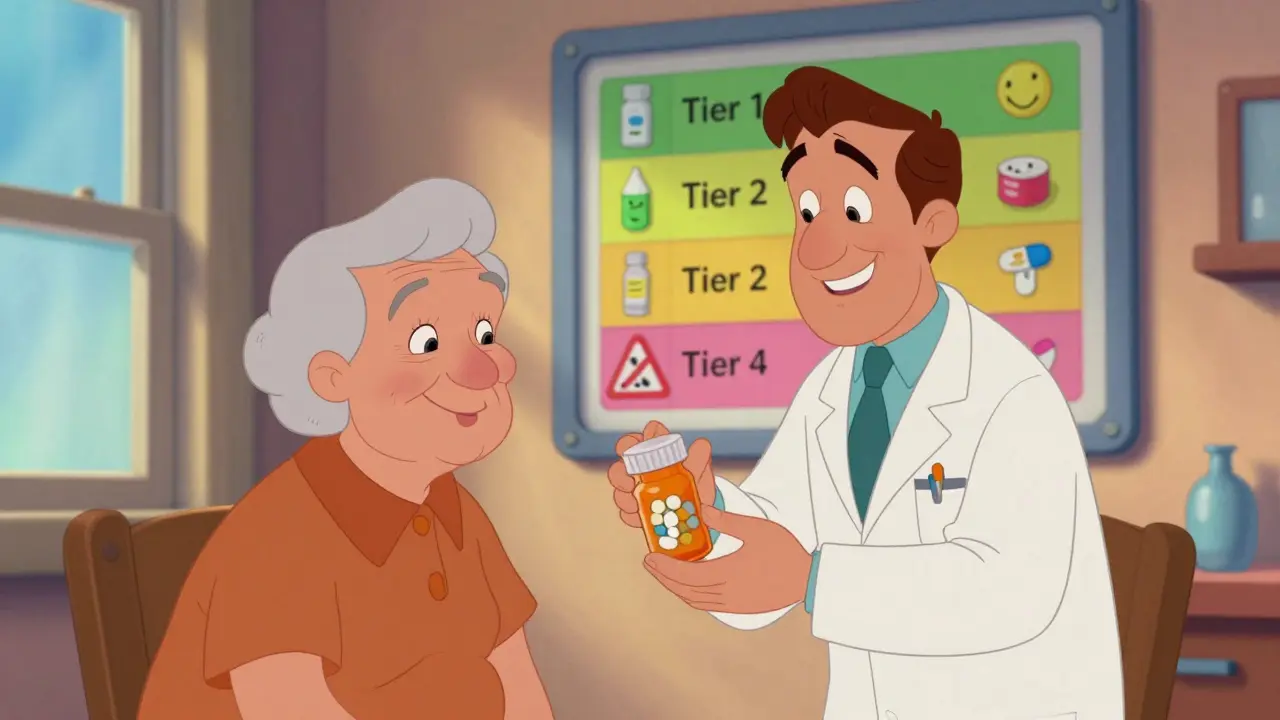
When a patient in a nursing home is switched from one blood thinner to another without their doctor’s direct order, it’s not a mistake - it’s institutional formulary policy in action. These lists aren’t just catalogs of approved drugs. They’re legal, clinical, and financial tools that determine what medications patients receive, who can prescribe them, and when substitutions are allowed - all under strict state and federal rules.
What Exactly Is an Institutional Formulary?
An institutional formulary is a living list of drugs approved for use within a hospital, clinic, or long-term care facility. Unlike insurance formularies that decide what’s covered under a patient’s plan, institutional formularies control what drugs staff can legally give - and when they can swap one drug for another. This swap is called therapeutic substitution: replacing a prescribed drug with a different one that’s expected to work the same way. For example, switching from brand-name Xarelto to generic apixaban because both are blood thinners with similar effects. This isn’t guesswork. Every drug on the list has been reviewed by a committee of pharmacists, doctors, and nurses using real clinical data. The goal? To make sure patients get safe, effective drugs at the lowest possible cost - without sacrificing quality.How These Formularies Are Built and Managed
In Florida, the law (Statute 400.143) spells out exactly how these formularies must be created. Any facility using one must form a committee with three key people: the medical director, the director of nursing, and a certified consultant pharmacist. That’s not optional. These teams don’t just pick drugs off a shelf. They evaluate every medication based on three things: how well it works, how safe it is, and how much it costs. Drugs are then organized into tiers. Tier 1 usually includes generics or older drugs with proven results and low prices. Patients pay the least for these. Tier 2 or 3 might include newer brand-name drugs or those with higher side effect risks. These cost more out of pocket. The system pushes doctors and pharmacists toward the best value - not just the cheapest option. And it’s not a set-it-and-forget-it list. Facilities must update their formularies at least once a year. They also have to monitor outcomes every three months - tracking things like hospital readmissions, adverse reactions, and whether the substitutions actually improved patient health. One nursing home in Tampa found seven dangerous drug interactions in its first year of monitoring - problems they’d never have caught otherwise.Differences Between Institutional and Insurance Formularies
People often confuse institutional formularies with the drug lists from their health insurance. But they serve completely different purposes. Insurance formularies decide what drugs your plan will pay for - and how much you pay out of pocket. If your drug isn’t on the list, you might have to pay full price or get prior authorization. Institutional formularies are about what the hospital or nursing home can legally give you. Even if your insurance covers a drug, if it’s not on the facility’s formulary, staff can’t give it to you unless they get special permission. That’s why a patient might be switched to a different drug during a hospital stay, only to be switched back when they go home - causing confusion and sometimes harm. This mismatch is a real problem. A pharmacist on Reddit shared a case where a patient was switched from Xarelto to apixaban in a nursing home, then back to Xarelto when admitted to the hospital. No one told the patient or the primary doctor. The result? A near-miss medication error.
Why These Policies Exist - And the Trade-Offs
The main reason hospitals and clinics use formularies is cost control. In the U.S., pharmaceutical spending hit $600 billion in 2023. Institutional formularies help cut that by steering care toward lower-cost, equally effective drugs. Studies show that well-run formularies can reduce adverse drug events by 15% to 30% - meaning fewer hospitalizations, fewer overdoses, fewer deaths. But there’s a flip side. Doctors say bureaucratic delays are a major headache. According to a 2023 AMA survey, 78% of physicians are frustrated when they need to prescribe a non-formulary drug for a complex case. Getting approval can take days. For someone with cancer, heart failure, or a rare condition, that delay can be dangerous. Patients, especially in nursing homes, often don’t even know they’ve been switched. AARP points out that many residents aren’t told about substitutions, which violates the principle of informed consent. If your grandma is on a drug she’s been taking for years, and suddenly it’s changed, she should know why - and have a say.How Facilities Implement These Systems
Getting a formulary up and running isn’t easy. Florida law gives facilities 90 days to form their committee after deciding to use one. Then comes training. Nursing staff, who administer most medications, need the most education - often 4 to 8 weeks of learning before they’re fully comfortable with the new rules. One of the biggest hurdles? Electronic health records (EHRs). Sixty-eight percent of facilities reported technical problems when trying to link their formulary rules to their EHR systems. Without integration, pharmacists can’t get automatic alerts when a doctor prescribes a non-formulary drug. The fix? Work with EHR vendors to build custom alerts and substitution protocols. Some hospitals now use pop-up messages that say: “This drug is not on formulary. Suggested alternative: [drug name].” Documentation is critical. Every policy, every committee meeting, every quarterly review must be written down and kept on file. Regulators can ask for these records anytime.State Laws and the National Picture
Florida’s law is among the strictest in the country. But it’s not alone. As of 2024, 32 states have specific rules for institutional formularies in nursing homes. Florida’s statute is often used as a model. Adoption varies. Nearly all nursing homes (94%) have formal formularies. Only about 78% of acute care hospitals do. Why? In emergency rooms or ICUs, speed matters more than cost. Doctors need flexibility. In long-term care, consistency does. The federal government is taking notice. In March 2024, CMS announced that starting in Q3 2025, nursing home formulary compliance will be part of its Nursing Home Compare ratings. Poor performance could hurt a facility’s reputation - and its funding.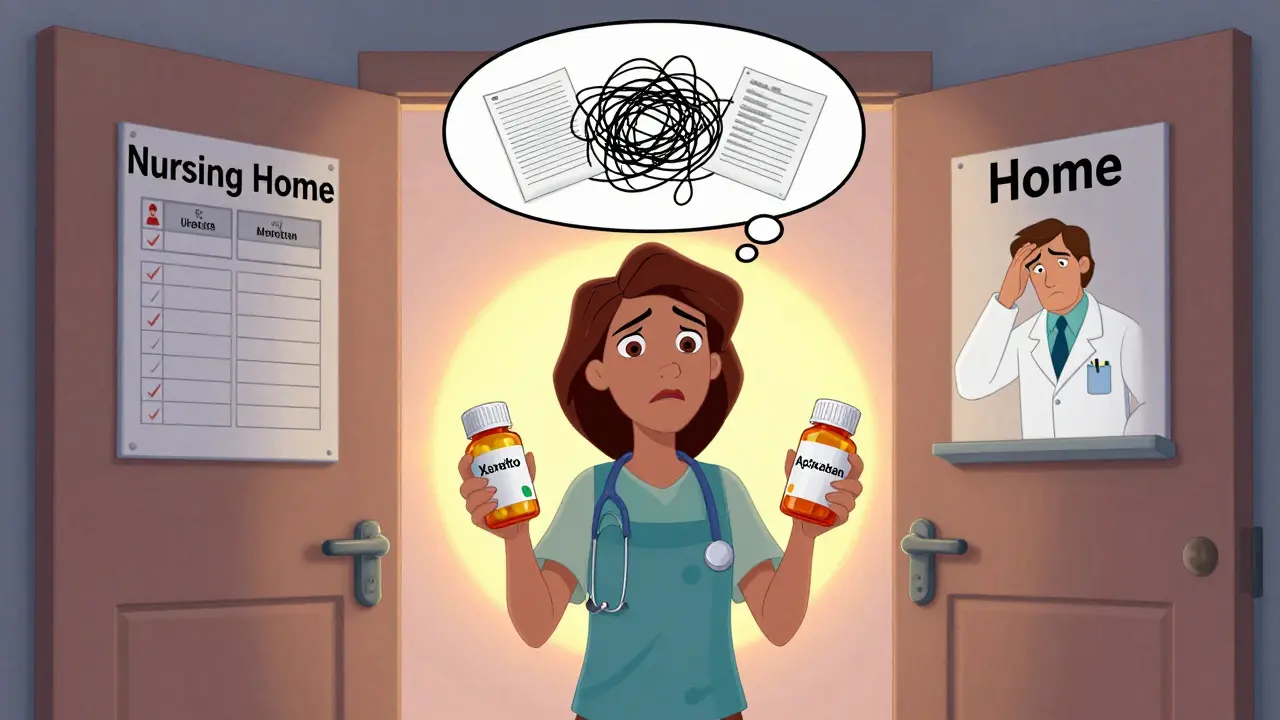
The Future: AI, Genomics, and Real-Time Decisions
The next big shift? Data-driven formularies. By 2026, Gartner predicts 80% of healthcare systems will use AI to adjust formularies in real time. Imagine a system that looks at a patient’s lab results, age, other medications, and even genetic markers - then recommends the best drug on the spot. Some hospitals are already testing this. Pharmacogenomics - using DNA to predict how a patient responds to a drug - is being added to formulary decisions. If a patient has a gene variant that makes them metabolize a drug too slowly, the system can automatically avoid that drug, even if it’s on the preferred tier. The FDA is also planning a pilot program in 2025 to standardize how drugs are classified as “therapeutically equivalent.” Right now, the rules are messy. A clearer system could make substitutions safer and more predictable across states.What This Means for Patients and Families
If you or a loved one is in a hospital or nursing home, here’s what you need to know:- Ask: “Is this the drug my doctor prescribed, or was it substituted?”
- Ask: “Why was this change made? Is it safer? Cheaper? Better?”
- Ask for a copy of the facility’s formulary policy - they’re required to provide it.
- If you’re switching facilities, bring a full list of your current meds - including dosages and reasons for each.
- Speak up if you notice side effects after a drug change.
What’s Next for Institutional Formularies?
Expect more regulation, more technology, and more pressure to prove these systems actually improve outcomes - not just cut costs. As value-based care grows, formularies will be judged less on how much they save, and more on how many lives they save. The best formularies don’t just restrict drugs. They empower teams to make smarter, safer choices. And that’s the real goal - not control, but better care.What is therapeutic substitution in a hospital formulary?
Therapeutic substitution is when a hospital or clinic replaces a prescribed drug with a different drug that has the same clinical effect - even if the chemical structure is different. For example, switching from brand-name Xarelto to generic apixaban, both blood thinners. This is only allowed if the facility’s formulary permits it and the change is approved by its pharmacy committee.
Are institutional formularies the same as insurance formularies?
No. Insurance formularies determine what drugs your plan will pay for and how much you pay out of pocket. Institutional formularies control what drugs a hospital or nursing home can legally give you - regardless of your insurance. A drug might be covered by your plan but not allowed in the facility because it’s not on their formulary.
Can a doctor prescribe a drug not on the formulary?
Yes, but it requires special approval. Doctors can request a non-formulary drug for complex cases, but they must justify why the formulary alternatives won’t work. This often involves paperwork and delays - sometimes days - which can impact urgent care.
Do patients have to be told when their drug is substituted?
Legally, no - but ethically, they should be. Many patients, especially in nursing homes, aren’t informed about substitutions. Experts and advocacy groups like AARP say this violates informed consent. Patients have the right to know what drugs they’re taking and why changes are made.
How often are institutional formularies updated?
At least once a year, but many facilities update them more often - especially if new clinical evidence emerges. Florida law requires quarterly reviews of substitution outcomes, and the American Society of Health-System Pharmacists now recommends bi-monthly monitoring for better safety.
Why do some hospitals resist using institutional formularies?
In acute care settings like ERs and ICUs, speed and flexibility are critical. Formularies can slow down treatment when a doctor needs a specific drug immediately. Bureaucratic hurdles, EHR integration issues, and staff training gaps also make adoption harder - even when the benefits are clear.
Is there a national standard for institutional formularies?
No single federal standard exists, but 32 states have their own rules, with Florida’s Statute 400.143 being the most detailed. The Centers for Medicare & Medicaid Services (CMS) will start factoring formulary compliance into nursing home ratings in 2025, pushing more facilities to adopt formal systems.
How do formularies affect drug prices?
Formularies drive down costs by favoring generics and lower-priced drugs with proven results. By limiting coverage to cost-effective options, institutions negotiate better prices with manufacturers. This reduces overall spending - but only if substitutions are safe and appropriate. Poorly managed systems can lead to hidden costs, like readmissions from bad substitutions.
They're hiding the real cost-cutting scheme behind 'clinical safety'-pharma bribes, corporate greed, and state laws that just make it legal. They switch your meds so the CEO can buy another yacht. You think this is about YOU? Nah. It's about profit margins and boardroom meetings no one sees.
In India, we have something called 'generic first' policy too-but here’s the difference: our doctors actually talk to patients. They say, 'Beta, this medicine is cheaper, same effect, let’s try.' No secrecy. No confusion. Just honesty. Maybe American hospitals should learn from humble clinics in Kerala, not just from spreadsheets.
I'm sorry-but this is the absolute pinnacle of bureaucratic mediocrity. A 'committee' of three people-medical director, nursing director, and a 'certified consultant pharmacist'-decides what drugs you get? Who elected them? Who gave them the authority to override a physician's clinical judgment? This isn't healthcare-it's a dystopian pharmacy dictatorship dressed in compliance paperwork.
Fascinating. The article presents formularies as neutral, evidence-based tools-but the underlying tension is palpable. On one hand, you have measurable reductions in adverse events; on the other, patients being switched without consent, physicians delayed in urgent cases, and EHR systems that still can't talk to each other. The real question isn't whether formularies work-it's whether the system is designed to serve patients or to manage risk.
This is why America is falling apart. Government tells hospitals what medicine you can get. Who let them do that? My grandpa was on Xarelto for 5 years. Now they switch him to some generic because it's cheaper? That's socialism in a pill bottle. No wonder people are dying. They don't care about you. They care about the budget.
The institutional formulary, as articulated in Florida Statute 400.143, represents a paradigmatic model of structured, multidisciplinary, and legally mandated pharmacovigilance. It is, in essence, a governance framework designed to align therapeutic efficacy, fiscal responsibility, and regulatory compliance-three pillars upon which modern healthcare delivery must stand. The integration of AI and pharmacogenomics, as referenced, is not merely an innovation-it is an ethical imperative.
I’ve seen this in hospice care-patients on the same med for years, then swapped without a word. No one told the family. No one asked the patient. The nurses were just following protocol. But when Mrs. Delaney had a seizure two days later? That’s not a 'substitution.' That’s negligence wrapped in policy. Formularies need teeth-but they also need transparency.
This is the problem with modern medicine. You think you’re getting care, but you’re just a number in a database. Who decides what’s 'therapeutically equivalent'? Big Pharma? The FDA? Some guy in a suit with a PowerPoint? There’s no soul left in this system. We used to trust doctors. Now we just pray the algorithm doesn’t kill us.
I read the whole thing. And I still don’t know if this is a public service announcement or a corporate white paper. You say patients aren’t told about substitutions. You say it’s a violation of informed consent. Then why is this article not calling for legal action? Why is it just explaining the system like it’s inevitable? This isn’t neutral. It’s complicit.
I get that cost control matters. But if we’re not talking to patients, we’re not healing them. I work in a clinic where we started handing out formulary cards to every patient-simple, plain language, what changed and why. Within two months, our med adherence went up 40%. People just want to know they’re not being played. Small steps, but they matter.
I’ve trained nurses in rural India on generic substitution. The key isn’t the policy-it’s the trust. If your team believes the system is fair, they’ll explain it to patients with care. If they think it’s just about saving money, they’ll do it mechanically. The real challenge isn’t the formulary-it’s the culture behind it.
Imagine a world where your grandma’s meds are chosen by a spreadsheet, not a human. Where a nurse hits 'approve' on a pop-up because the system says 'apixaban = Xarelto'-but doesn’t know she’s allergic to sulfa, or that her kidneys are failing, or that she’s been on this drug since before her kids were born. This isn’t innovation. It’s automation with a side of arrogance.
Formularies save lives and money. End of story. The complaints come from doctors who think they know better than data. The system works. If you want a non-formulary drug, submit the paperwork. Stop whining. This isn’t a democracy. It’s a hospital.
Did you know the FDA doesn’t even require bioequivalence testing for all generic substitutions? Some are just 'therapeutically equivalent' by opinion. That’s why people die. That’s why this whole system is a front for pharmaceutical consolidation. They’re not saving money-they’re eliminating competition and forcing patients into their patented traps.
I’m just here for the fact that someone actually wrote a 2000-word post about drug formularies and didn’t use a single emoji. Respect.