
MedWatch Reporting for Generics: How Safety Data Is Collected and Why It Matters
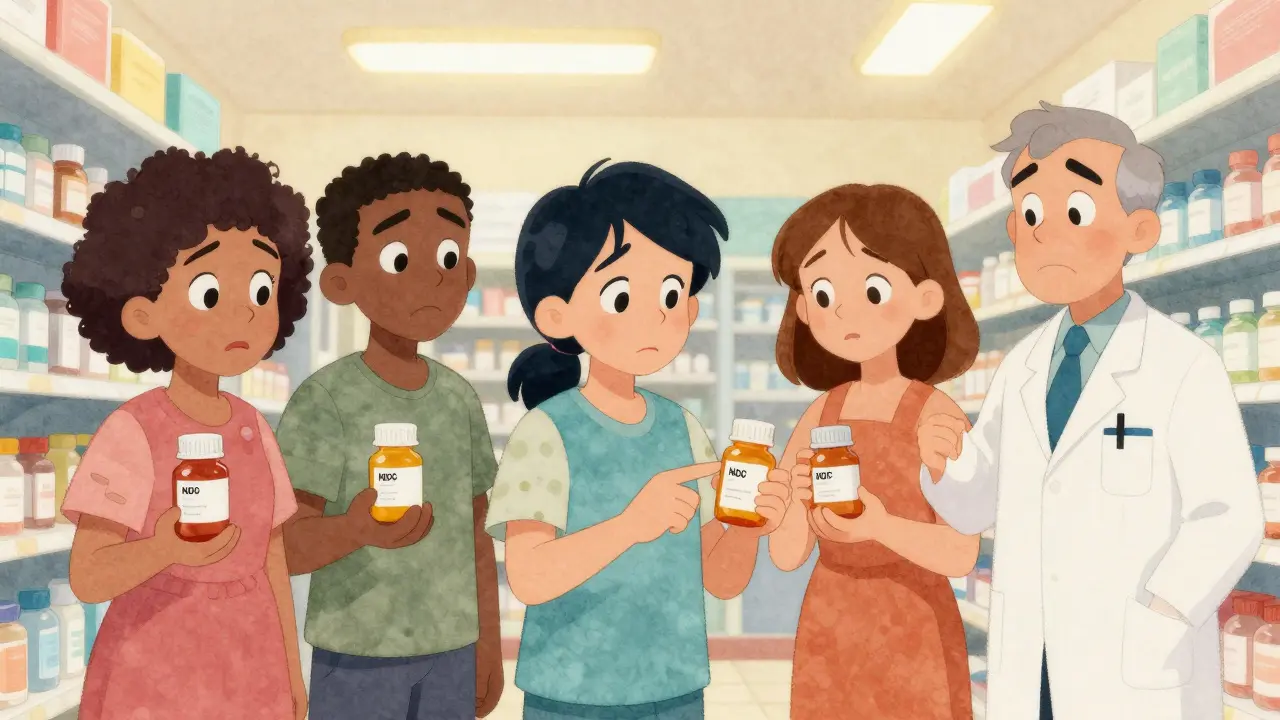
When you pick up a generic pill at the pharmacy, you expect it to work just like the brand-name version. But what happens when it doesn’t? What if you feel worse, or the medicine just doesn’t seem to help anymore? That’s where MedWatch reporting comes in - the quiet but vital system that collects real-world safety data on generic drugs after they hit the market.
What Is MedWatch, Really?
MedWatch isn’t a fancy lab or a government agency with its own research team. It’s a reporting system run by the U.S. Food and Drug Administration (FDA). Started in 1993, it’s designed to catch problems that clinical trials miss. Clinical trials test drugs on thousands of people under controlled conditions. But once a drug is out in the real world - taken by millions, mixed with other meds, used by people with different health conditions - unexpected issues can pop up. That’s where MedWatch steps in. For generic drugs, this is especially important. About 90% of prescriptions filled in the U.S. are for generics. They’re cheaper, widely used, and legally required to be just as effective as the brand-name version. But here’s the catch: they’re not always identical. Different manufacturers use different inactive ingredients - fillers, dyes, coatings - and even small changes can affect how the drug is absorbed or how your body reacts. MedWatch is the main way these differences get noticed.How Are Generic Drug Problems Reported?
Anyone can file a MedWatch report: patients, pharmacists, doctors, nurses, even family members. You don’t need special training. The online form at www.fda.gov/MedWatch takes less than 15 minutes to fill out. You’re asked for basic info: what drug you took, what happened, when it happened, and whether you’ve had this issue before. But here’s where it gets tricky. The form doesn’t ask you to name the generic manufacturer. It just says “generic sertraline” or “generic levothyroxine.” That’s a problem. There are over 30 different companies making generic versions of common drugs. One might use a different coating that slows absorption. Another might have a slightly different particle size. These tiny differences can change how you feel. The FDA knows this. In fact, a 2022 study found that only 32.7% of consumer reports included the manufacturer’s name. Compare that to brand-name reports - 89.4% of them named the company. Without that detail, the FDA can’t tell if a problem is tied to one bad batch from one manufacturer, or if it’s a broader issue with the whole class of generic drugs.Therapeutic Inequivalence: The Silent Problem
One of the most common complaints in MedWatch reports for generics is “therapeutic inequivalence.” That’s a fancy way of saying: “This generic doesn’t work like the one I was on before.” Patients with thyroid conditions, epilepsy, depression, and heart disease are most likely to notice this. Levothyroxine, for example, is a hormone replacement drug. Even a 5% difference in absorption can throw off thyroid levels, causing fatigue, weight gain, or heart palpitations. A pharmacist in Ohio reported 17 MedWatch reports over three years about generic levothyroxine causing symptoms to return. One of those reports led to a label change - the FDA added a warning about switching between different generic brands. Another case involved bupropion XL, a generic antidepressant made by Mylan. Multiple patients reported sudden mood swings and loss of effectiveness. The FDA investigated. Within 11 months, they updated the product label to warn about switching between manufacturers. That’s MedWatch working - but it took dozens of reports to trigger action.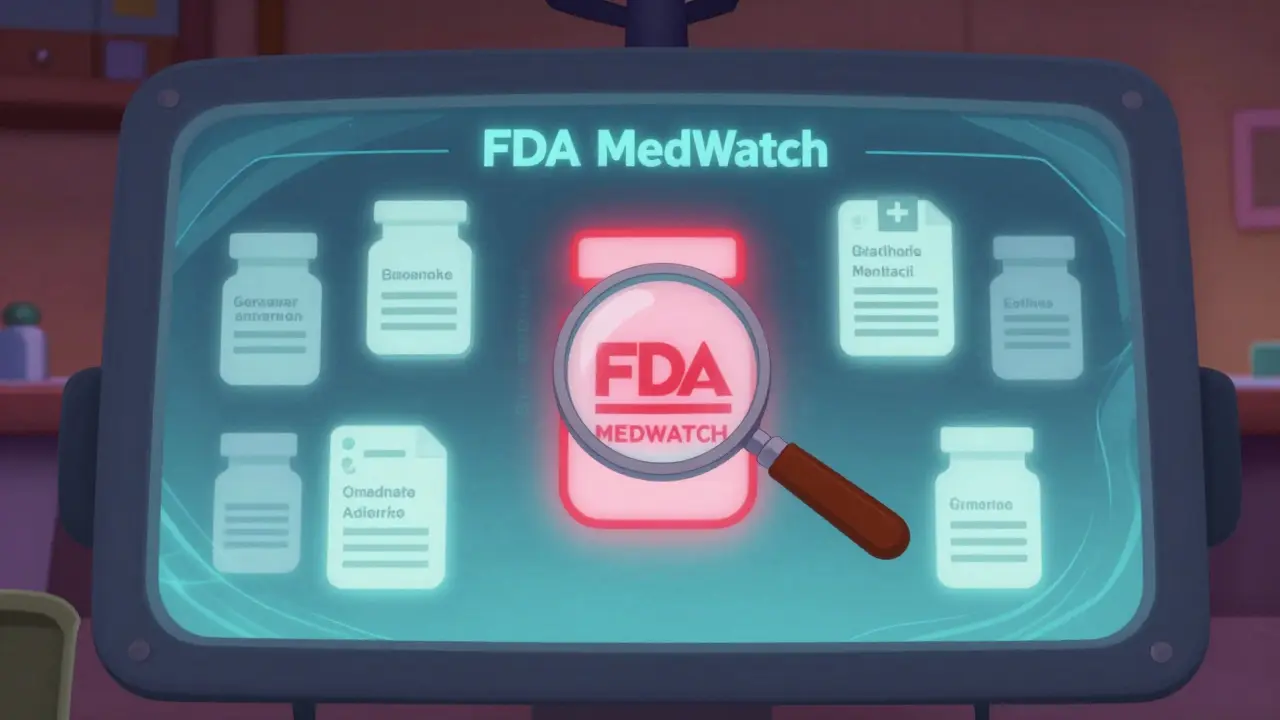
Why So Many Reports Get Lost
The biggest barrier isn’t the form. It’s awareness. Most patients don’t know they can report side effects. Even when they do, they often don’t realize they should note the manufacturer. The pill bottle might say “Sertraline HCl” with no brand or company name. The pharmacist might not tell you which one it is. And if you’re feeling unwell, remembering to check the label or call your pharmacy isn’t your top priority. Healthcare providers face time pressures too. A 2024 survey found that 71% of pharmacists said they don’t have enough time to complete detailed MedWatch reports. Doctors are busy. Nurses are stretched thin. Even when they see a pattern - say, three patients on the same generic version of metformin developing unusual nausea - they might not file a report because they assume it’s just a coincidence. And then there’s the data problem. The FDA’s system, called FAERS, has over 9 million reports. But until recently, there was no reliable way to automatically sort out which ones involved generics. A 2022 study developed an algorithm that improved identification to 92% accuracy - but it’s still not perfect. Many reports still get lumped together under “generic” without knowing which company made them.What’s Changing - And What’s Still Broken
The FDA is trying to fix this. Since 2023, they’ve been pushing the Generic Drug User Fee Amendments (GDUFA) III plan, which includes better tracking of generic safety signals. They’re also working on connecting MedWatch to electronic health records by 2026. That means when a doctor prescribes a generic, the system could automatically pull the NDC code - the unique identifier for each drug product - and include the manufacturer name in the report. That’s huge. Right now, the only way to ensure your report includes manufacturer info is to look at the pill bottle, find the NDC number (it’s a 10- or 11-digit code on the label), and type it in manually. Only 28.3% of consumer reports do this. Meanwhile, other countries are ahead. The European Medicines Agency’s EudraVigilance system has required manufacturer details in all reports since 2022. The U.S. is catching up - slowly.What You Can Do
If you’ve had a bad reaction to a generic drug, don’t assume it’s “just you.” Here’s how to report it properly:- Keep the pill bottle. Write down the NDC number (it’s on the side or bottom).
- Write down the generic name and the manufacturer (if visible).
- Note when you started the medication, when symptoms began, and how they changed.
- Go to www.fda.gov/MedWatch and fill out the form.
- Don’t skip the “therapeutic inequivalence” box - it’s there for a reason.
Why This Matters
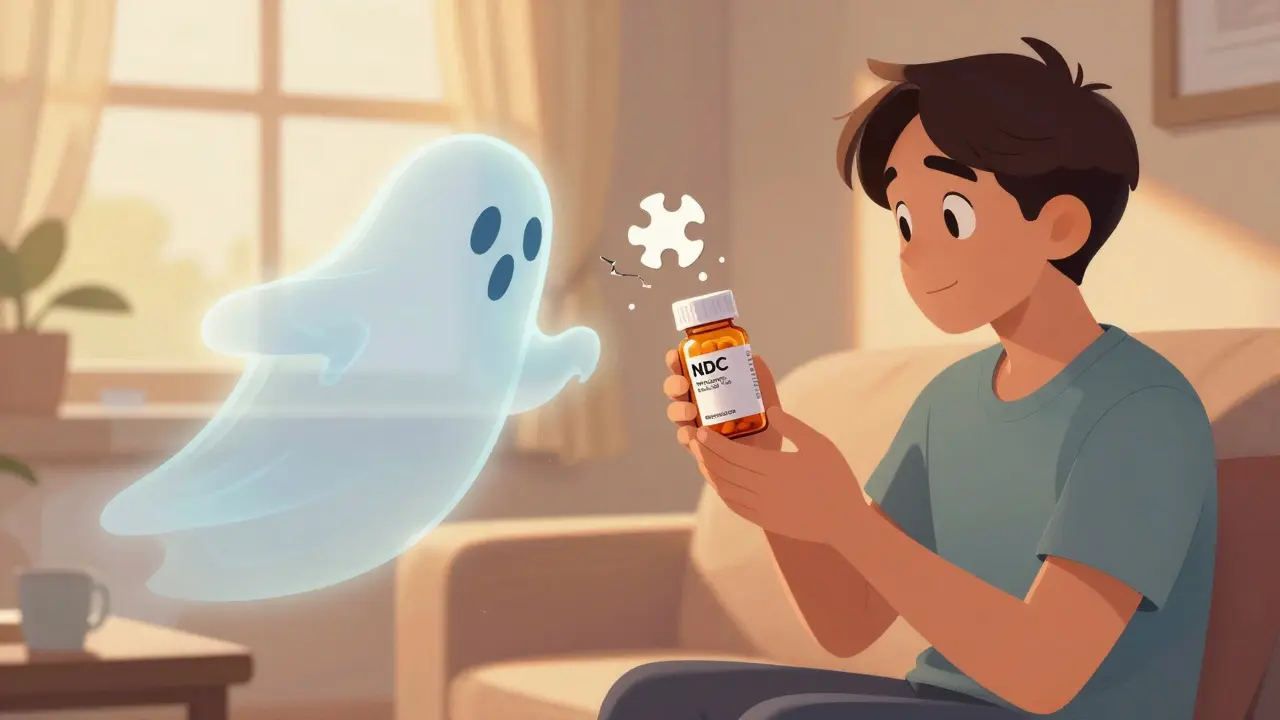
Generics save the U.S. healthcare system over $300 billion a year. They’re essential. But safety shouldn’t be an afterthought. If we treat all generics as identical, we risk missing real dangers. The FDA can’t fix what it doesn’t know. And right now, the system is still blind to which company made the drug that caused the problem. The truth is, you don’t need to be a scientist to help. You just need to pay attention - to your body, to your labels, and to your right to report. Because every report is a piece of a puzzle that could prevent someone else from getting hurt.What Happens After You Report?
After you file a MedWatch report, it goes into FAERS - the FDA’s database of adverse events. It’s not a hotline. You won’t get a call back. But your report becomes part of a growing pool of data. The FDA reviews reports daily. If the same issue pops up across multiple reports - say, five people on the same generic version of warfarin developing unusual bruising - analysts flag it. They dig deeper. They check lab results, compare with other reports, and sometimes contact the manufacturer. If a pattern emerges, the FDA can take action: update the label, issue a safety alert, or even request a recall. In 2022, reports of a specific generic version of bupropion XL led to a label change. That’s real impact. But here’s the hard part: most reports don’t lead to immediate action. It can take months or years. That’s why consistency matters. One report is a whisper. Ten are a conversation. A hundred? That’s a shout.Is MedWatch the Only Way?
No. Some drug companies have their own safety lines. Pharmacies sometimes collect feedback. But MedWatch is the only system that aggregates data across all drugs and manufacturers - and sends it directly to the FDA. Other systems, like the CDC’s v-safe or private apps, are useful for tracking symptoms. But they don’t connect to the regulatory body that can change labels, issue warnings, or investigate manufacturers. Only MedWatch does that. And while it’s voluntary, it’s also the most powerful tool we have. If you skip it, the FDA has to rely on clinical studies - which take years and cost millions. Real-world data from patients? That’s faster. That’s cheaper. And that’s what saves lives.Can I report a side effect from a generic drug even if I’m not sure it’s the medication?
Yes. You don’t need to be certain. The FDA encourages reports even if you’re unsure. If you started a new generic medication around the time symptoms began, it’s worth reporting. The FDA’s analysts look for patterns - one report might seem minor, but if 20 others report the same thing with the same drug, they’ll investigate.
Do I need to include the manufacturer name when reporting?
It’s not required, but it’s critical. Without the manufacturer name, the FDA can’t tell if a problem is isolated to one company or common across all generics. Look for the NDC number on the pill bottle - it’s a 10- or 11-digit code. Include it in your report. That single detail can make the difference between a report being ignored and triggering a safety review.
Why don’t pharmacies tell me which generic manufacturer I’m getting?
In most cases, pharmacies switch between generic manufacturers based on cost and availability. They’re not required to tell you which one you’re getting unless you ask. Some pharmacies will print the manufacturer name on the label if requested. Always ask - and write it down. Your health depends on knowing what you’re taking.
Are generic drugs less safe than brand-name drugs?
No - but they’re not always identical. The FDA requires generics to be bioequivalent, meaning they deliver the same amount of active ingredient within the same time frame as the brand. But inactive ingredients - like dyes, fillers, or coatings - can vary. These can affect how the drug is absorbed, especially in sensitive populations. That’s why some patients report different side effects or reduced effectiveness. It’s not about safety overall - it’s about consistency.
How long does it take for the FDA to act on a MedWatch report?
There’s no set timeline. Single reports are reviewed but rarely lead to immediate action. It’s the patterns - dozens or hundreds of similar reports - that trigger investigations. Some actions happen within months. Others take years. But every report adds to the evidence. You’re not just reporting a personal experience - you’re helping build a safety net for everyone.
Why care? If it's generic, it works. If it doesn't, switch. End of story.
I've been on generic levothyroxine for years. Switched brands last year and felt like I'd been hit by a truck. Took me months to figure out it was the manufacturer. This post nailed it.
I'm a pharmacist, and I can confirm: patients rarely know which manufacturer their generic comes from. We don't always know either-unless we check the invoice. I've started printing the manufacturer name on the label when I can, and asking patients to note it. Small effort, big impact.
This is what happens when you let corporations cut corners. In the UK, we track every batch. Here? You're lucky if your pill even has a name on it. Pathetic.
It's fascinating how a system meant to protect public health relies entirely on individual vigilance. We're told to trust science, yet the most critical data comes from someone scribbling an NDC code on a napkin.
The FDA is a corporate puppet. They know this is a crisis-30+ manufacturers of sertraline, all with different fillers, and zero accountability. Patients are being used as lab rats. This isn't healthcare, it's capitalism with a stethoscope.
I reported a bad reaction to generic metformin last year. Never heard back. Still took it. Still feel weird after meals. Guess it's just me.
My grandma switched generics for her blood pressure med and started falling. Took three months to figure out it wasn't her heart-it was the new coating. She’s fine now, but only because we kept the bottle.
Why are we even talking about this? In India we don't have this problem. Our generics are better. You guys overthink everything
The system is broken. The FDA has the data. They just don't act until thousands are affected. That's not oversight. That's negligence.
So let me get this straight... we're trusting our health to a pill with no name on it, and the only way to fix it is to become a detective with a pill bottle? I'm starting to think Big Pharma is running the FDA.
If bioequivalence is the standard, why do we allow variability in inactive ingredients that demonstrably affect absorption? It's like saying two cars are equivalent because they both have four wheels-ignoring the engine, the fuel system, the brakes.
I used to think generics were just cheaper. Now I know they're a lottery. I keep the bottle. I write down the NDC. I report. Because if I don't, who will? Someone's kid might be next.
I've been telling my patients to check the label for years. Most don't listen. But the ones who do? They come back with the same story: 'I switched back to the old one and I feel normal again.'
This is all a cover-up. The FDA, Big Pharma, and the pharmacies are in on it. They want you dependent on pills they control. That’s why they don’t tell you the manufacturer. They don’t want you knowing which ones are garbage. Wake up.