
Safe Medication Storage: How to Extend Shelf Life and Avoid Waste
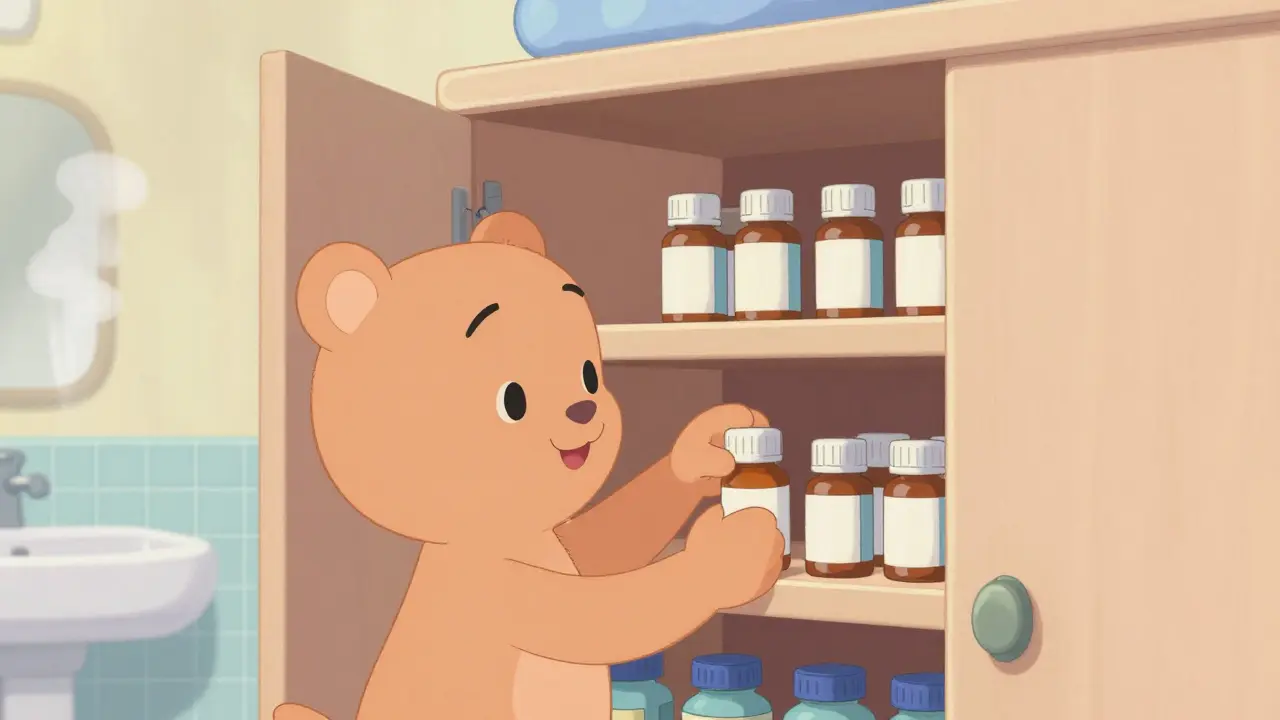
When you toss out expired medications, you're not just throwing away pills-you're wasting money and contributing to drug shortages. The good news? Proper storing medications practices can keep your drugs effective until their expiration date. For example, the FDA Shelf-Life Extension Program (SLEP) established in 1986 as a joint initiative between the FDA and Department of Defense, has tested over 3,000 medication lots. The program found that 88% of these lots remained stable beyond their labeled expiration dates, with many showing stability for up to 62 months longer. However, this program is for government stockpiles, not personal use. For home storage, following the manufacturer's instructions is the safest approach.
Keep Your Medications Cool and Dry
Temperature and humidity are the biggest enemies of medication stability. Most solid pills and capsules do best at room temperature-between 20°C and 25°C. But some medications, like insulin or certain vaccines, need refrigeration between 2°C and 8°C. If these get too warm, they can break down. On the flip side, freezing most medications can also cause damage. Always check the label for specific temperature requirements.
High humidity is another problem. Moisture can cause pills to crumble or lose potency. That's why the bathroom is a terrible place to store meds-the steam from showers adds extra moisture. Instead, keep your medications in a cool, dry place like a bedroom closet. Using airtight containers can help, but only if the original packaging is intact. For example, the Healthcare Environmental Resource Center reported that veterinary clinics switching from traditional 48-hour propofol to 28-day propofol (with benzyl alcohol preservative) significantly reduce anesthetic waste by improving storage conditions.
Protect from Light
Some medications degrade when exposed to light. That's why many come in dark bottles or opaque packaging. If your meds are light-sensitive, store them in their original container and avoid clear glass jars. Even sunlight through a window can affect them over time. For example, nitroglycerin tablets must be kept in their original glass bottle with a tight cap to maintain effectiveness. The FDA's 2013 guidance on Tamiflu noted that certain stockpiled lots could be used up to ten years beyond manufacture date when stored under labeled conditions, but this requires strict light protection protocols not typically feasible for home storage.
Avoid These Common Storage Mistakes
Many people store medications in the bathroom because it's convenient. But the humidity there is a problem. Another mistake is leaving pills in the car. On a sunny day, the temperature inside a car can soar above 40°C-way too hot for most medications. Also, don't transfer pills to different containers unless necessary. The original packaging is designed to protect them from light and moisture. If you must use a pill organizer, only fill it for a few days at a time and keep the rest in the original bottle. Studies show that 23% of medication storage failures result from temperature excursions during "last mile" delivery, so proper handling during transport matters too.
How to Store Specific Medications
Not all medications have the same storage needs. Here's what to know for common types:
- Insulin: Unopened vials should stay refrigerated. Once opened, most can be stored at room temperature for up to 28 days. Always check the specific product label. The FDA approved a shelf-life extension for certain insulin products in 2024, but this only applies to specific batches under controlled conditions.
- Liquid antibiotics: Once mixed, these usually last only 10-14 days in the fridge. Never store them at room temperature. The NIH reported that tetracycline antibiotics can degrade into toxic compounds if exposed to heat or light.
- Vaccines: They require strict cold chain storage. Even a few hours outside the required temperature can make them ineffective. The Strategic National Stockpile (SNS) manages vaccine expiration dates through lot-specific tables rather than printed labels for this reason.
- Antibiotics like tetracycline: These can degrade into harmful compounds if stored improperly. Always follow the manufacturer's instructions closely.
How to Dispose of Expired Medications Safely
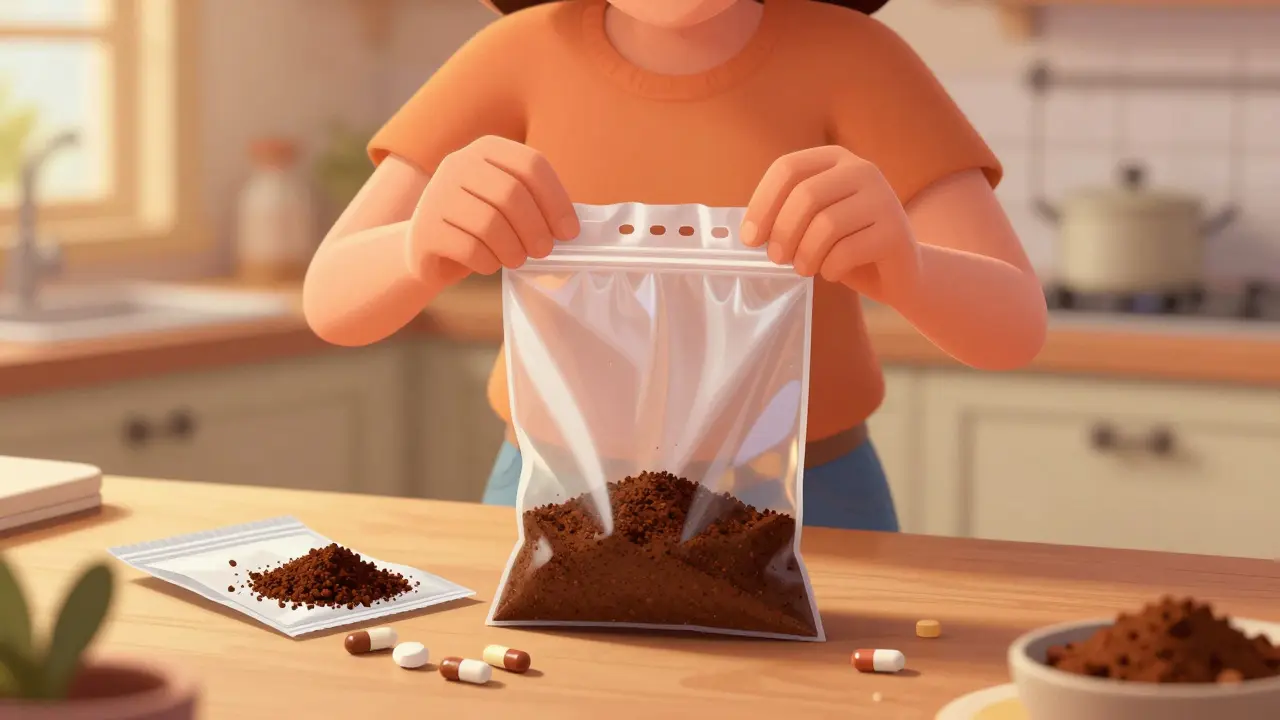
When it's time to dispose of expired meds, don't flush them down the toilet. The EPA recommends mixing pills with coffee grounds or cat litter in a sealed bag before throwing them away. Many pharmacies and police stations have take-back programs. The FDA also has guidelines for safe disposal. Proper disposal prevents environmental contamination and keeps meds out of the wrong hands. In 2023, the Healthcare Environmental Resource Center reported that proper disposal practices reduce pharmaceutical waste by up to 40% in healthcare settings.
Can I use expired antibiotics?
It's generally not safe. Some antibiotics, like tetracycline, can degrade into toxic compounds. Others may lose effectiveness. Always consult a pharmacist before using expired antibiotics.
How long can I store insulin after opening?
Most insulin vials or pens can be kept at room temperature for 28 days after opening. However, always check the specific manufacturer's instructions as this varies by product.
Is it safe to store meds in the bathroom?
No. The humidity from showers can cause pills to break down and lose potency. Always store medications in a cool, dry place like a bedroom closet.
What happens if I store medications in my car?
On a sunny day, the temperature inside a car can exceed 40°C, which can ruin most medications. Never leave meds in your car, especially during hot weather.
Can I extend the shelf life of my medications at home?
No. The FDA's Shelf-Life Extension Program applies only to government stockpiles. For personal use, follow the manufacturer's instructions and don't rely on expiration dates being extended. When in doubt, consult your pharmacist.
Proper medication storage is a national security issue. The FDA's program shows how critical this is. We must follow guidelines to prevent shortages. The bathroom is a poor choice. Always store in cool dry places.
The FDA's Shelf-Life Extension Program is a sham. They only test government stockpiles to hide the truth. Private citizens can't access these extensions. It's all about control. They don't want us to know meds can last longer.
Exactly. The FDA is hiding something. They don't want us to know that all meds can be extended. It's a conspiracy. They control the supply chain.
I switched my meds to a bedroom closet storage. The humidity in the bathroom was causing pills to crumble. Now they last longer. I used to keep them in the bathroom but now I know better. Its so much better.
Totally agree! 😊 I used to keep my meds in the bathroom too. Now I store them in a cool dry place. Its way better. Thanks for sharing! 🌟
The key is following manufacturer instructions. Many people don't realize temperature and humidity affect meds. A cool dry place like a bedroom closet is best. Always check labels for specific needs.
Proper medication storage is a critical aspect of public health that often gets overlooked. The environmental factors such as temperature and humidity play a massive role in drug stability. For instance, the FDA's Shelf-Life Extension Program shows that many medications can remain stable well beyond their labeled expiration dates under controlled conditions. However, this program is strictly for government stockpiles and not applicable to personal use. In home settings, following manufacturer instructions is the safest approach. Temperature excursions during transport can also degrade medications, as studies show 23% of storage failures occur during the last mile delivery. Keeping medications in a cool, dry place like a bedroom closet is essential. The bathroom is a terrible location due to humidity from showers. Light exposure can also break down certain drugs, which is why they come in dark bottles. Insulin requires specific storage conditions, both before and after opening. Liquid antibiotics have very short shelf lives once mixed and must be refrigerated. Vaccines need a strict cold chain to remain effective. Proper disposal of expired medications is equally important to prevent environmental contamination. It's clear that education on medication storage could save billions and reduce waste significantly. Understanding these nuances can prevent unnecessary waste and ensure medication efficacy for those who need them most.
I agree with the importance of proper storage. Many common mistakes like bathroom storage or car storage can ruin meds. Following guidelines ensures effectiveness.
This is obvious.
The FDA is lying! They say SLEP is for government stockpiles, but I bet they're hiding that it works for everyone. They don't want us to know meds last longer. It's all about money. They want us to buy new meds every time. Wake up people!
Oh my goodness! This is so important! The FDA is definitely hiding something! It's a conspiracy! They don't want us to know the truth! We must act now! It's critical! Please share this everywhere!
Exactly! The FDA is a joke! They're in cahoots with Big Pharma! They don't care about us! We need to take action! This is a national emergency! How dare they!