
Signs and Symptoms of Medication Overdose You Should Recognize
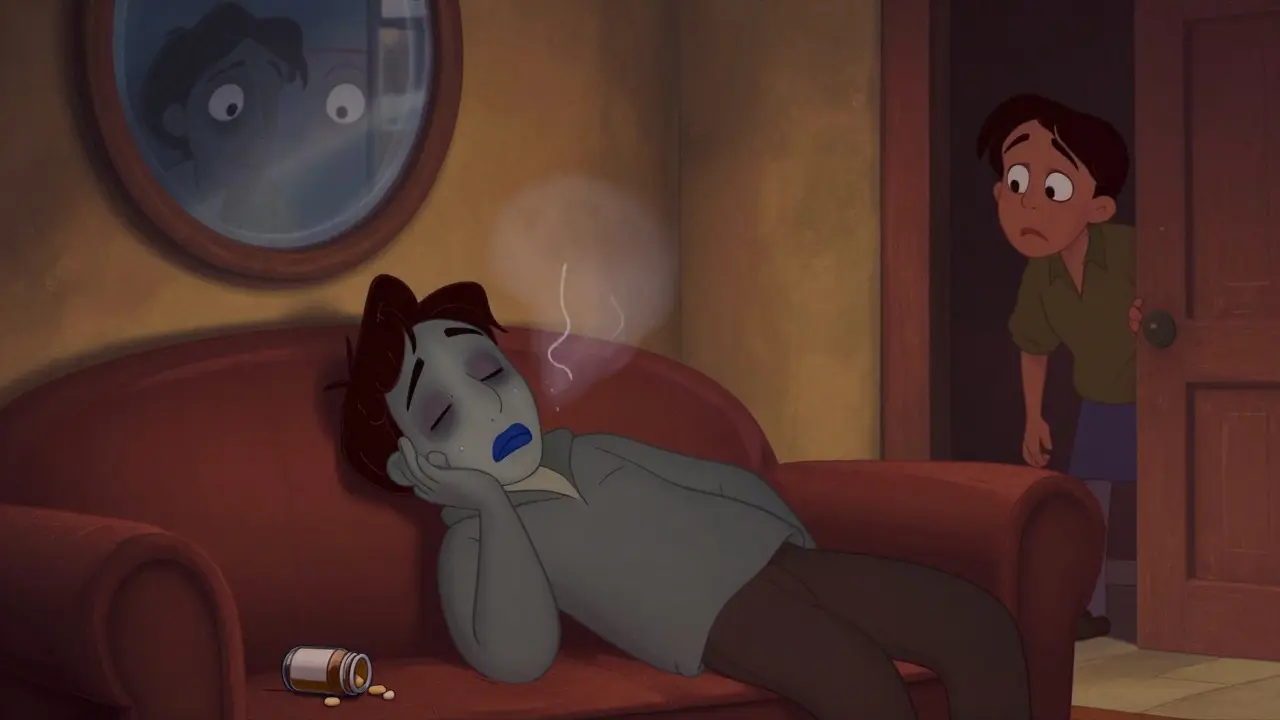
Knowing the signs of a medication overdose could save a life-yours or someone else’s. Every year, tens of thousands of people in the U.S. die from overdoses, and many of these deaths happen because no one recognized the warning signs in time. It’s not always obvious. Someone might just look like they’re passed out, or maybe they’re breathing too slowly. But those small details matter. A delay of even a few minutes can mean the difference between recovery and death.
What Does a Medication Overdose Look Like?
An overdose happens when your body can’t handle the amount of a drug you’ve taken. It doesn’t matter if it’s a prescription painkiller, a sleeping pill, cocaine, or even a common pain reliever like acetaminophen. Too much of anything can overwhelm your system. The symptoms vary depending on the drug, but there are some universal red flags.If someone is unresponsive, breathing very slowly (less than 10 breaths per minute), or has blue lips or fingernails, that’s an emergency. Their skin may feel cold and clammy. They might make gurgling or snoring sounds-like they’re choking, but they’re not awake. This isn’t sleep. This is the body shutting down because it’s not getting enough oxygen.
Opioid Overdose: The Silent Killer
Opioids-including fentanyl, heroin, oxycodone, and morphine-are behind most overdose deaths. In 2022, synthetic opioids like fentanyl were involved in over 73,000 deaths in the U.S. alone. Fentanyl is so strong that even a tiny amount-smaller than a grain of salt-can kill someone who isn’t used to it.The classic signs of an opioid overdose are called the opioid triad:
- Pinpoint pupils (the black part of the eye shrinks to almost nothing)
- Unconsciousness (they won’t wake up, even when shaken or shouted at)
- Slow or stopped breathing (fewer than 12 breaths per minute)
People who overdose on opioids often look like they’re just deeply asleep. But if you try to wake them and they don’t respond, don’t wait. Call for help immediately. Many people die because someone thought they’d “sleep it off.” That’s a deadly mistake. In 29% of fatal overdoses, the person was left alone to “sleep,” and by the time help arrived, it was too late.
Stimulant Overdose: When the Body Overheats
Drugs like cocaine, methamphetamine, and even prescription ADHD meds like Adderall can cause a different kind of overdose. Instead of slowing you down, they push your body into overdrive.Symptoms include:
- Extreme agitation or paranoia
- High body temperature (over 104°F or 40°C)
- Fast, irregular heartbeat
- Seizures
- High blood pressure (over 180 mmHg systolic)
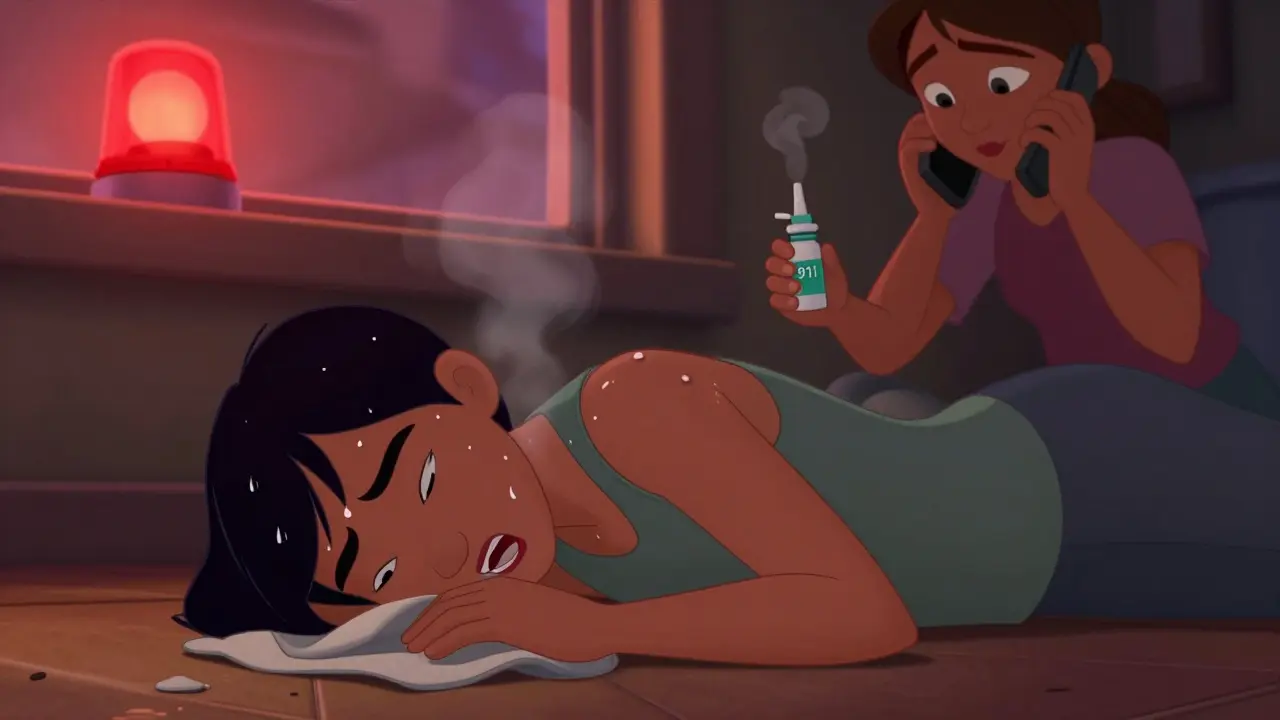
People having a stimulant overdose might be sweating heavily, confused, or yelling uncontrollably. Their skin may be hot and red instead of pale. They can have a heart attack or stroke even if they’re young and otherwise healthy. If someone is having seizures or their body feels hot to the touch, this is life-threatening. Don’t try to cool them with ice water or a cold shower-that can cause shock. Instead, get them to emergency care right away.
Depressant Overdose: Alcohol and Benzodiazepines
Alcohol, Xanax, Valium, and other sedatives depress the central nervous system. Too much can cause breathing to slow until it stops. Alcohol poisoning is one of the most common forms of overdose, especially among younger people.Signs of a depressant overdose include:
- Slurred speech
- Loss of coordination (stumbling, falling)
- Vomiting while unconscious
- Slow, irregular breathing
- Low body temperature
One of the most dangerous signs is vomiting while unconscious. That’s when the person can choke on their own vomit. If someone is passed out after drinking or taking sedatives, turn them onto their side. This is called the recovery position. It keeps their airway open. Never leave them alone. Don’t give them coffee or put them in a cold shower. Those myths can kill.
Polysubstance Overdose: When Drugs Mix
Most overdoses today aren’t from one drug. Over half of all overdose deaths in 2022 involved multiple substances-usually opioids mixed with stimulants like cocaine or benzodiazepines. Fentanyl is often mixed into other drugs without the user’s knowledge. Fake pills made to look like oxycodone or Xanax frequently contain fentanyl. One pill can be lethal.When drugs mix, symptoms become unpredictable. Someone might have slow breathing from opioids but a racing heart from stimulants. Their pupils might be pinpoint, but their body is hot. This makes it harder to recognize, but the same emergency rules apply: if they’re unresponsive or breathing poorly, call for help immediately.
What to Do If You Suspect an Overdose
Time is everything. Here’s what you do-right now:- Call emergency services-dial 000 in Australia, 911 in the U.S. Don’t wait. Don’t text. Call.
- If you have naloxone, use it. Naloxone (brand name Narcan) reverses opioid overdoses. It’s safe-even if the person didn’t take opioids. Give one spray into the nose or inject into the muscle. If they don’t respond in 2-3 minutes, give a second dose.
- Put them on their side. This prevents choking if they vomit.
- Stay with them. Even if they wake up, they can crash again. Medical help is still needed.
- Don’t try home remedies. Ice baths, coffee, or slapping them won’t help. They can make things worse.
Many people hesitate to call for help because they’re scared of getting in trouble. But in Australia and most U.S. states, Good Samaritan laws protect people who call for help during an overdose. Your action could save a life-and you won’t be punished for it.
How to Prevent Overdose
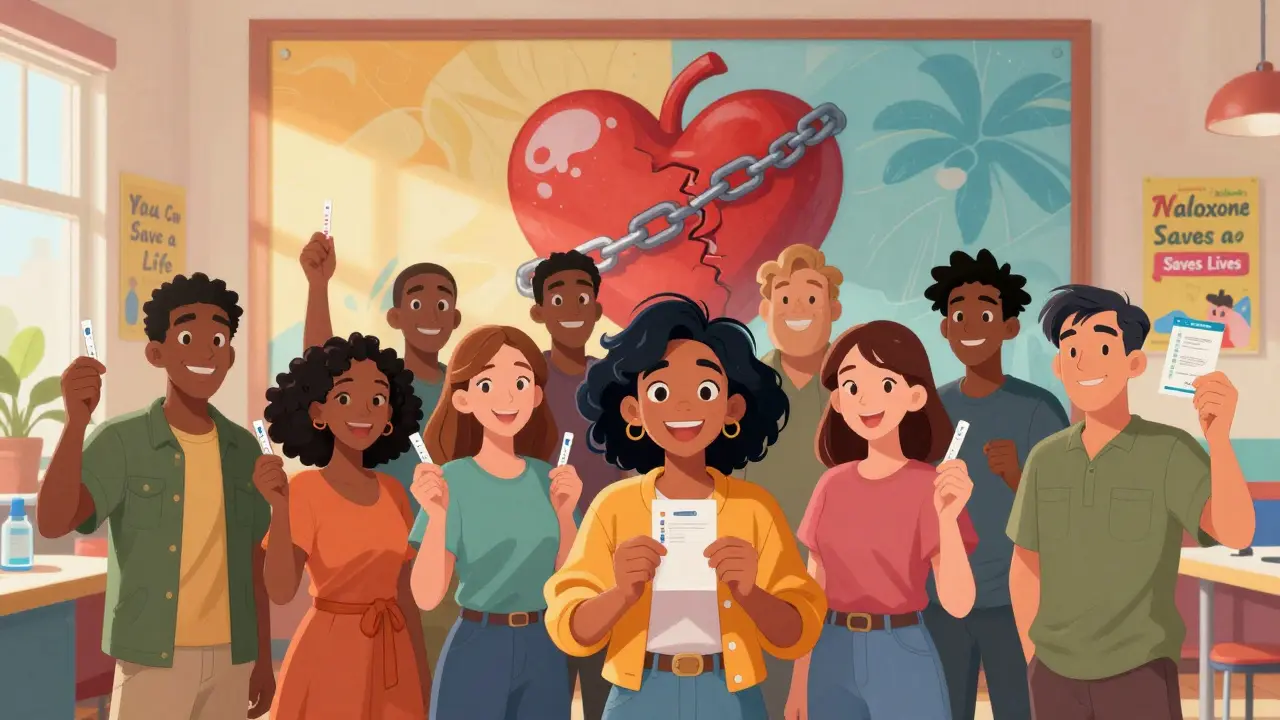
Prevention isn’t just about avoiding drugs. It’s about reducing risk when people do use them.- Use fentanyl test strips. These cost about $2 each and can detect fentanyl in pills or powder. If it’s positive, don’t use it-or use a much smaller amount.
- Don’t use alone. If someone is with you, they can call for help if something goes wrong.
- Know your tolerance. If you haven’t used in a week or more, your body’s tolerance drops. The same dose you used before could now kill you.
- Carry naloxone. If you or someone you know uses opioids, keep naloxone on hand. It’s now available over-the-counter at pharmacies without a prescription.
The CDC found that communities that distributed naloxone for free saw a 14% drop in overdose deaths. That’s not just a statistic-it’s people alive because someone had the courage to act.
What Happens After an Overdose?
Surviving an overdose doesn’t mean the danger is over. The brain can be damaged from lack of oxygen. People often need to stay in the hospital for observation. Many also need treatment for addiction. That’s okay. Overdose isn’t a moral failure-it’s a medical event. Treatment works. Support is available.If you or someone you know needs help, call the national helpline: 1-800-662-HELP (4357) in the U.S., or visit the Alcohol and Drug Foundation in Australia. These services are free, confidential, and open 24/7.
The tide is turning. More people are carrying naloxone. More pharmacies stock it without a prescription. More communities are training people to respond. But until everyone knows the signs, people will keep dying. You don’t need to be a doctor to save a life. You just need to know what to look for-and what to do.
Knowing what to look for could mean the difference between life and death. I’ve seen it happen-someone written off as ‘just passed out’ and by the time someone called 911, it was too late. This post is a necessary reminder that we all need to be more aware.
It’s not about judging people who use drugs. It’s about having the tools to help when things go wrong.
So let me get this straight-we’re supposed to believe that a grain of salt-sized amount of fentanyl can kill someone who’s never used before, but somehow people keep buying pills off Instagram like it’s a coupon site?
Maybe the real problem isn’t the drugs-it’s the people treating them like Halloween candy.
USA always talks about overdose like it’s some new crisis-yet in Nigeria, we’ve seen this for decades with tramadol abuse and fake pills sold as ‘powerful painkillers’.
People here die because they trust street vendors who say ‘this is real oxycodone’-and then they choke on their own vomit while someone films it for TikTok.
Stop acting like this is a ‘Western problem’. It’s a human problem. And yes, I’m calling out the ignorance of your media. 🇳🇬💔
Thank you for this comprehensive and clinically accurate overview. The inclusion of specific physiological indicators-such as respiratory rate thresholds and the recovery position-is not only educational but potentially life-saving.
I have distributed this resource to my community health group, and we are organizing free naloxone training sessions next month. Education, not stigma, is the cornerstone of prevention.
For those unfamiliar with Good Samaritan protections: they exist in 47 U.S. states and all Australian jurisdictions. Legal protection is not theoretical-it is actively enforced.
Of course, the solution is to hand out Narcan like candy. Because clearly, the real issue isn’t that people are making terrible life choices-it’s that society didn’t give them enough free nasal spray.
Meanwhile, in the real world, people who overdose are often repeat offenders with a history of ER visits. At what point do we stop treating addiction like a medical emergency and start treating it like a behavioral failure?
Also, fentanyl test strips? Cute. But if you’re buying pills off a stranger on Snapchat, you’re not a victim-you’re a liability.
I used to think addiction was a moral failing. Then I met my cousin-he was a high school teacher, played guitar, loved his dog. One prescription for oxycodone after back surgery turned into three years of hiding, shame, and a near-fatal overdose at 28.
He’s clean now. Not because he ‘got strong.’ Because he got help. And because someone knew to call 911 when his breathing slowed.
People aren’t broken because they use. They’re broken because no one showed up.
This post? It’s a lifeline. Don’t scroll past it. Share it.
Let me tell you about the last time I saw someone OD.
It was a Tuesday. Rain was coming down like the sky was crying. He was 19. Had a hoodie on. Wasn’t even twitching-just… gone. His friend was shaking, screaming, ‘He’s sleeping!’
I gave him two sprays of Narcan. Didn’t work. Then I started CPR. His lips were blue. His chest didn’t rise. I kept going. Five minutes. Ten.
Then-he gasped. Just one breath. Like a fish on land.
They took him to the hospital. He woke up two days later. Asked if he was in heaven.
Don’t wait for a miracle. Know the signs. Carry the spray. Don’t be the one who says ‘I didn’t know.’
I’m not a hero. I just didn’t look away.
Interesting how this article cherry-picks statistics from 2022 while ignoring the 40% decline in opioid prescriptions since 2012. The CDC itself admits that most fatal overdoses involve polysubstance use, yet this post implies it’s just about ‘one pill.’
Also, naloxone doesn’t reverse stimulant overdoses. But you’d never know that from this. The author clearly hasn’t read the latest FDA guidance on benzodiazepine interactions.
Well-intentioned, but dangerously oversimplified.
One of the most important things people miss: if someone is unresponsive, don’t wait to see if they ‘wake up.’ Call 911 immediately-even if you’re not sure it’s an overdose.
Emergency responders are trained to handle this. They won’t judge you. They’ve seen it all.
And yes, you can get naloxone at CVS, Walgreens, or even Walmart now-no prescription needed. Just ask the pharmacist. It’s right next to the bandages.
You don’t need to be a hero. Just be someone who didn’t look away.
Okay but can we talk about how people still think ‘coffee will sober them up’?? Like, no. No, it won’t. That’s like pouring gasoline on a fire and yelling ‘I’m trying to help!’
I used to work ER. Saw a guy get dumped in the parking lot by his ‘friends’ because they were ‘too scared to call cops.’ He died. They posted a meme about it the next day.
Some people are just… lost.
Also, I bought Narcan last week. It cost $45. Worth every penny. I keep it in my purse like my lipstick.
While the intent of this post is commendable, the conflation of all drug overdoses under a single framework risks undermining nuanced public health policy. Stimulant and depressant overdoses require fundamentally different interventions. The recovery position, for instance, is ineffective in cases of severe respiratory depression without airway management.
Moreover, the assertion that ‘you don’t need to be a doctor’ may inadvertently discourage professional medical training, which remains essential for long-term systemic change.
!!!STOP!!! THIS IS A GOVERNMENT PSYCHOTRONIC WEAPON TO NORMALIZE DRUG USE!!! THEY WANT YOU TO THINK NARCAN IS SAFE BUT IT’S ACTUALLY A CHIP THAT TRACKS YOUR DNA THROUGH THE NOSE!!! THE CDC IS A PHARMA FRONT!!! DON’T TRUST THE POST!!! THEY’RE LYING ABOUT FENTANYL-IT’S NOT EVEN REAL!!! THEY’RE USING 5G TO MAKE PEOPLE THINK THEY’RE ODING!!! CALL YOUR REPRESENTATIVE NOW!!!
Oh, darling, this is just so… American. We in the UK have been dealing with this since the 90s. We don’t hand out Narcan like free samples-we have harm reduction centers with nurses, therapists, and even hot soup. No one’s handing out spray in a Walmart parking lot while some guy in a hoodie tries to ‘save’ his friend with CPR.
And let’s be honest-this whole ‘you don’t need to be a doctor’ thing is just performative activism. Real change requires funding, policy, and infrastructure-not Instagram infographics.
But I suppose if you’re going to save a life, better it be with a spray than a sigh, eh?
Interesting how the article ignores the fact that overdose deaths peaked in 2022 and have since declined by 3.7% in 2023 according to provisional CDC data. The narrative here is reactive, not reflective.
Also, fentanyl test strips have a 15% false negative rate when used improperly-yet this post presents them as a silver bullet.
Good intentions, poor execution.
Look-I’m not saying people who OD are heroes. But I’m also not saying they’re trash.
I used to work in a shelter. Saw guys who’d OD on heroin because they lost their job, their kid, their dog-all in one week.
They weren’t trying to die. They were trying to stop feeling.
So yeah, carry Narcan. Know the signs. But also-ask if they’re okay. Sometimes that’s the only thing that keeps them alive until the next dose.
And yeah, I’ve used it twice. Both times, the person woke up and cried. One of them hugged me. The other just said, ‘I didn’t know I was that close.’
Don’t wait for a tragedy to be human.