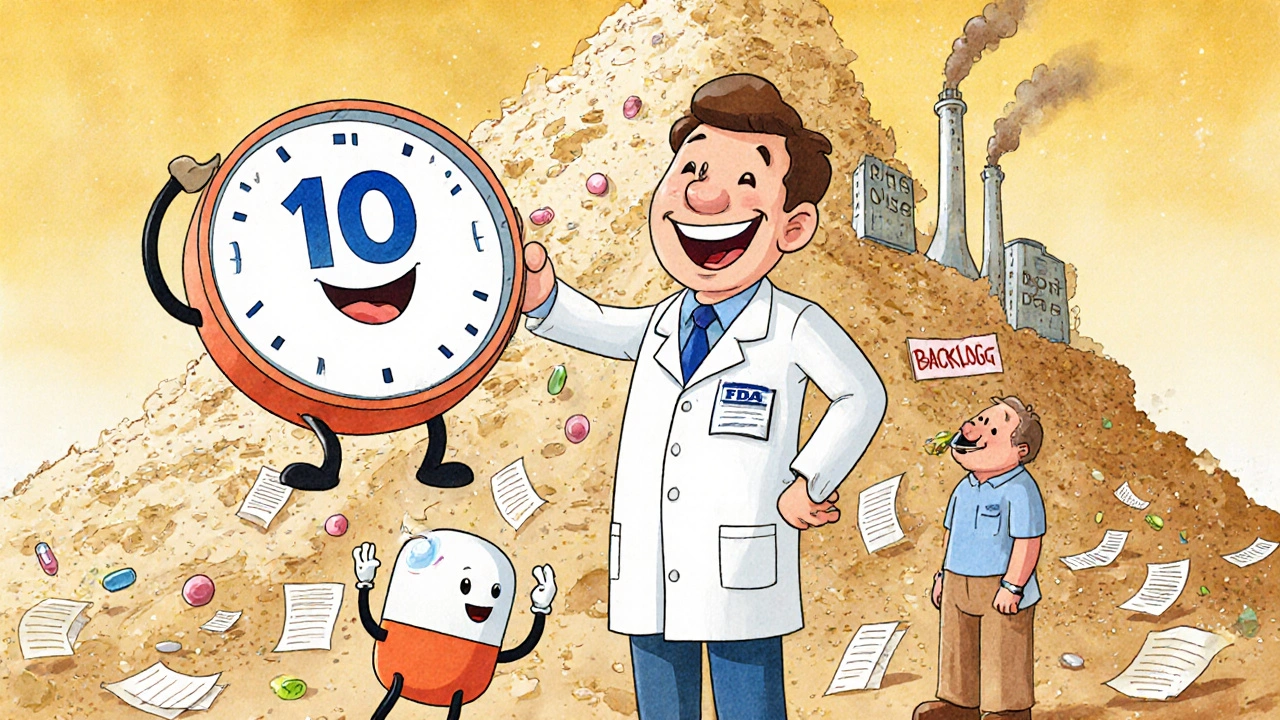
ANDA Application: What It Is and How It Shapes Generic Drug Access
When you pick up a generic pill at the pharmacy, chances are it got here through an ANDA application, a streamlined filing submitted to the U.S. Food and Drug Administration to prove a generic drug is identical in safety and effectiveness to its brand-name counterpart. Also known as an Abbreviated New Drug Application, it’s the legal shortcut that lets generic manufacturers skip expensive clinical trials and still get approved. Without the ANDA process, most generic drugs wouldn’t exist—or at least not at prices most people can afford.
The ANDA application isn’t just paperwork. It’s a detailed technical package that proves the generic version matches the brand drug in active ingredients, strength, dosage form, and how it’s absorbed by your body. The FDA doesn’t test the drug itself—they review the data the company submits. If the generic passes, it’s labeled as "AB-rated," meaning it’s interchangeable with the brand. This system keeps competition alive. When multiple companies file ANDAs for the same drug, prices drop fast. For example, when the first generic versions of Lipitor hit the market, the cost per pill fell by over 90%.
But not every ANDA is approved on the first try. Many get rejected for reasons like inconsistent manufacturing, impurities, or bioequivalence issues. That’s why some generic drugs take months—or even years—to become available after the brand patent expires. The FDA tracks these applications closely, and their public database shows exactly which generics are approved, which are pending, and which got turned down. This transparency helps pharmacists, doctors, and patients make smarter choices.
Behind every approved ANDA are real-world impacts. People with chronic conditions like diabetes or high blood pressure rely on these affordable options to stay on treatment. Insurance companies push for generics because they save billions. And for patients without good coverage, an ANDA-approved drug might be the only thing standing between them and skipping doses—or going without.
What you’ll find in the posts below are practical guides tied to this system. You’ll learn how ANDA application approvals affect drug safety alerts, why some generic versions carry different warnings than the brand, how to spot counterfeit meds that pretend to be ANDA-approved, and what happens when a generic manufacturer cuts corners. These aren’t abstract rules—they’re the hidden mechanics behind the pills you take every day.