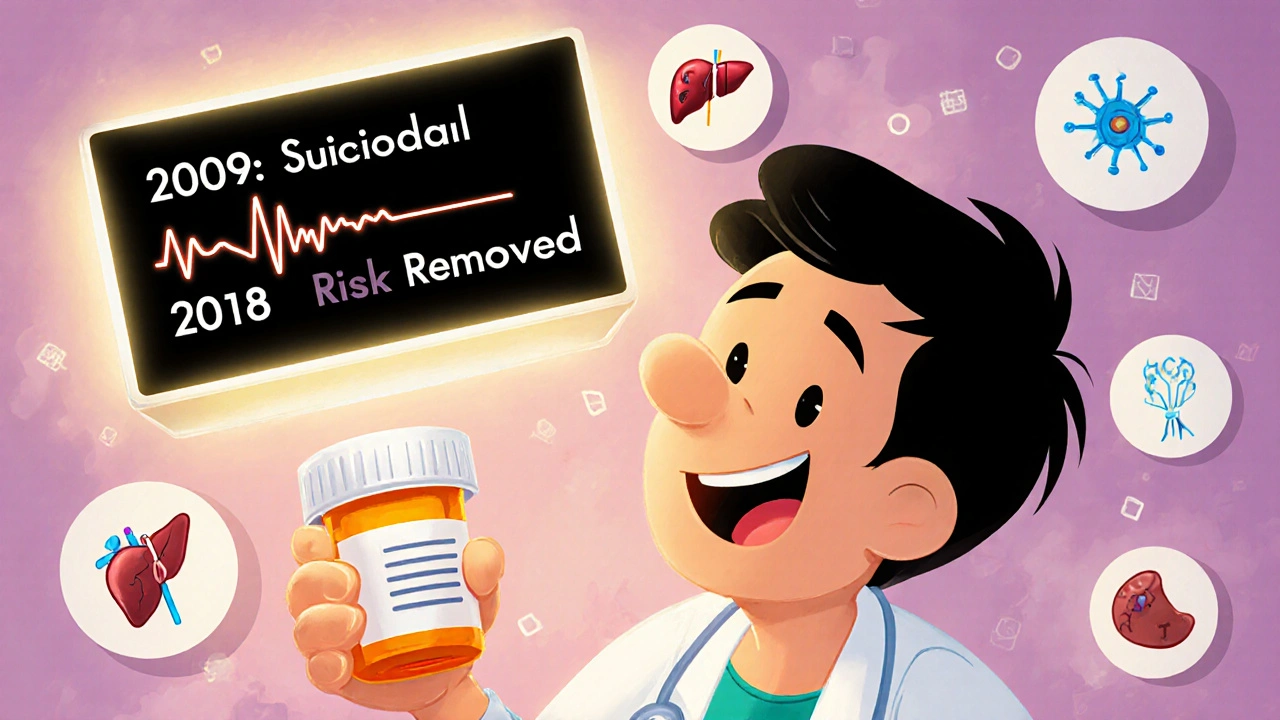
Black Box Warning: What It Means and Which Drugs Carry the Risk
When a drug comes with a black box warning, the strongest safety alert the FDA can issue, typically reserved for drugs that can cause serious or life-threatening side effects. Also known as a boxed warning, it’s printed in a bold, black border on the drug’s labeling to force attention—because skipping this warning could cost you your health. This isn’t just fine print. It’s the FDA’s last warning before something goes terribly wrong.
These warnings don’t show up on every pill. They’re reserved for drugs with clear, documented risks like suicidal thoughts, a serious side effect linked to certain antidepressants and epilepsy drugs, heart failure, seen with some diabetes medications like rosiglitazone, or liver damage, a known danger with certain antibiotics and herbal supplements. You’ll find these warnings on drugs like fluoxetine, clozapine, and even some weight loss pills. The FDA doesn’t slap this on lightly—each one comes after reports of deaths, hospitalizations, or irreversible harm.
What makes a black box warning different from other side effect lists? It’s not about mild nausea or dizziness. It’s about risks that are rare but deadly, or common enough that doctors must actively monitor patients. For example, some medications increase the chance of sudden cardiac arrest, while others trigger autoimmune reactions that destroy organs. These aren’t "maybe" risks—they’re confirmed dangers that require specific actions: regular blood tests, avoiding certain other drugs, or stopping the medication at the first sign of trouble.
And here’s the catch: just because a drug has a black box warning doesn’t mean you should never take it. Many people use these drugs safely—because their condition is serious enough that the benefits outweigh the risks. But you need to know what you’re dealing with. If your doctor prescribes a drug with this warning, ask: What are the red flags? How often should I get checked? What should I do if I feel worse? Don’t assume it’s safe just because it’s FDA-approved. The black box is there because even approved drugs can be dangerous if used carelessly.
Some of the posts below show exactly how these warnings play out in real life—like how high-alert medications require double checks in hospitals, or how mixing herbal supplements like Danshen with blood thinners can lead to dangerous bleeding. Others reveal how common side effects like nausea from GLP-1 agonists or hypoglycemia from insulin are managed, even when the risks aren’t as extreme as a black box warning. You’ll also see how patients and doctors navigate these risks daily—because knowing the warning is only the first step. The real work is understanding how to live with it safely.