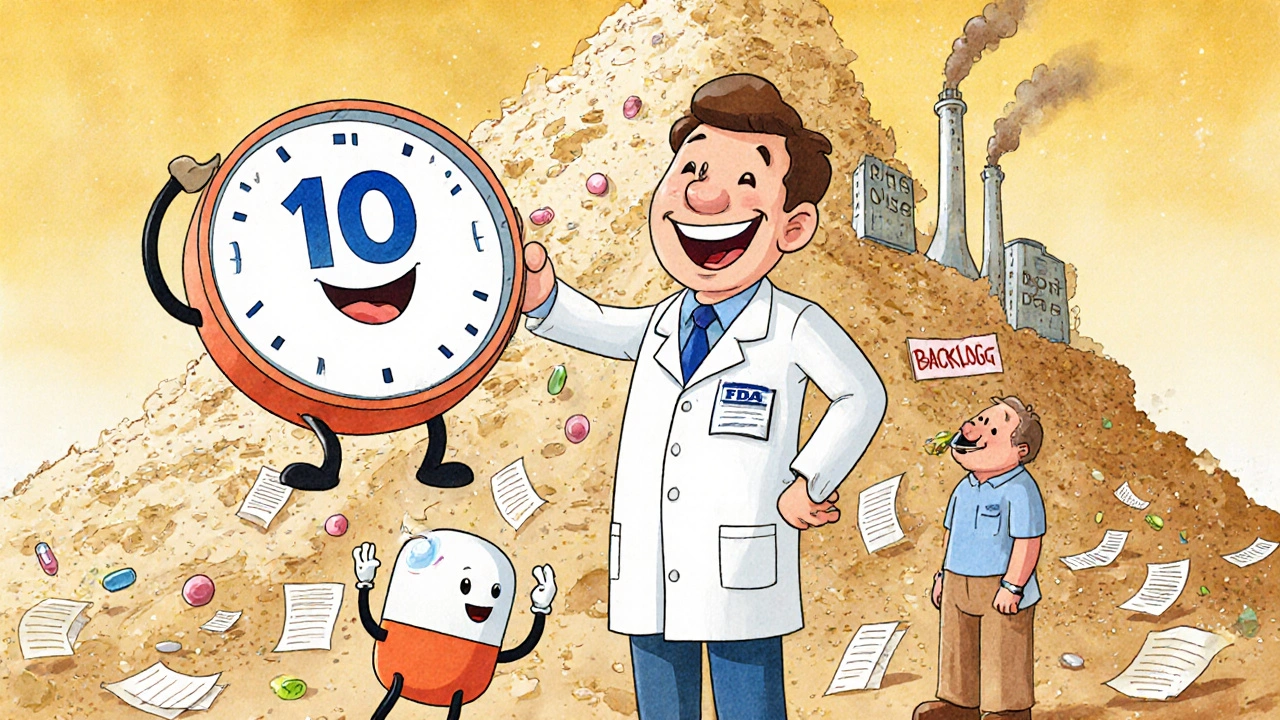
GDUFA: What It Means for Drug Approval, Safety, and Your Medications
When you pick up a generic pill at the pharmacy, you might not think about the process that got it there. But behind every approved generic drug is GDUFA, the Generic Drug User Fee Amendments, a law that gives the FDA funding and clear timelines to review generic medicines. Also known as Generic Drug User Fee Act, it’s not just bureaucracy—it’s what keeps safe, affordable alternatives to brand-name drugs flowing to your medicine cabinet. Before GDUFA, generic drug reviews could take years. Now, thanks to user fees paid by manufacturers, the FDA has the staff and resources to review applications faster and more consistently.
GDUFA isn’t just about speed—it’s about quality and safety. It requires manufacturers to prove their generic drugs are identical in active ingredients, strength, and how they work in the body. That means your generic blood pressure pill or antibiotic has to match the brand name exactly. The law also forces companies to disclose where they make drugs and how they control quality, so the FDA can inspect facilities worldwide. If a plant fails inspection, the FDA can block shipments—something that’s happened dozens of times since GDUFA started. This directly affects you: fewer shortages, fewer unsafe products, and more reliable options.
Related to GDUFA are FDA drug approval, the process the agency uses to evaluate whether a drug is safe and effective before it hits the market, and user fees, payments from drugmakers that fund the FDA’s review system. These aren’t separate from GDUFA—they’re part of the same system. Without user fees, the FDA couldn’t keep up with the volume of generic applications. Without clear approval standards, generics might not be safe. And without GDUFA’s deadlines, you’d wait longer for cheaper drugs.
You’ll find posts here that dig into how drug labeling changes, medication safety checks, and interactions between generics and other treatments all tie back to the rules GDUFA enforces. One article talks about boxed warnings on prescription drugs—those alerts often appear after generics enter the market and more people use them long-term. Another looks at high-alert medications that need double checks; many of those are now available as generics, making proper labeling and clear instructions even more critical. Then there’s the issue of hidden ingredients in over-the-counter products—some of which mimic generic drugs but aren’t regulated the same way. GDUFA doesn’t cover all supplements, but it does set the standard for what a real generic drug should be.
What you’re seeing in this collection isn’t random. It’s a snapshot of how GDUFA’s framework touches nearly every aspect of modern medication use—from how a pill gets approved, to how you take it safely, to what happens when something goes wrong. Whether you’re managing diabetes, heart disease, or just trying to save money on prescriptions, GDUFA is working behind the scenes to make sure what you’re taking is real, reliable, and ready.