Glaucoma: What It Is, How It Affects Vision, and What You Can Do
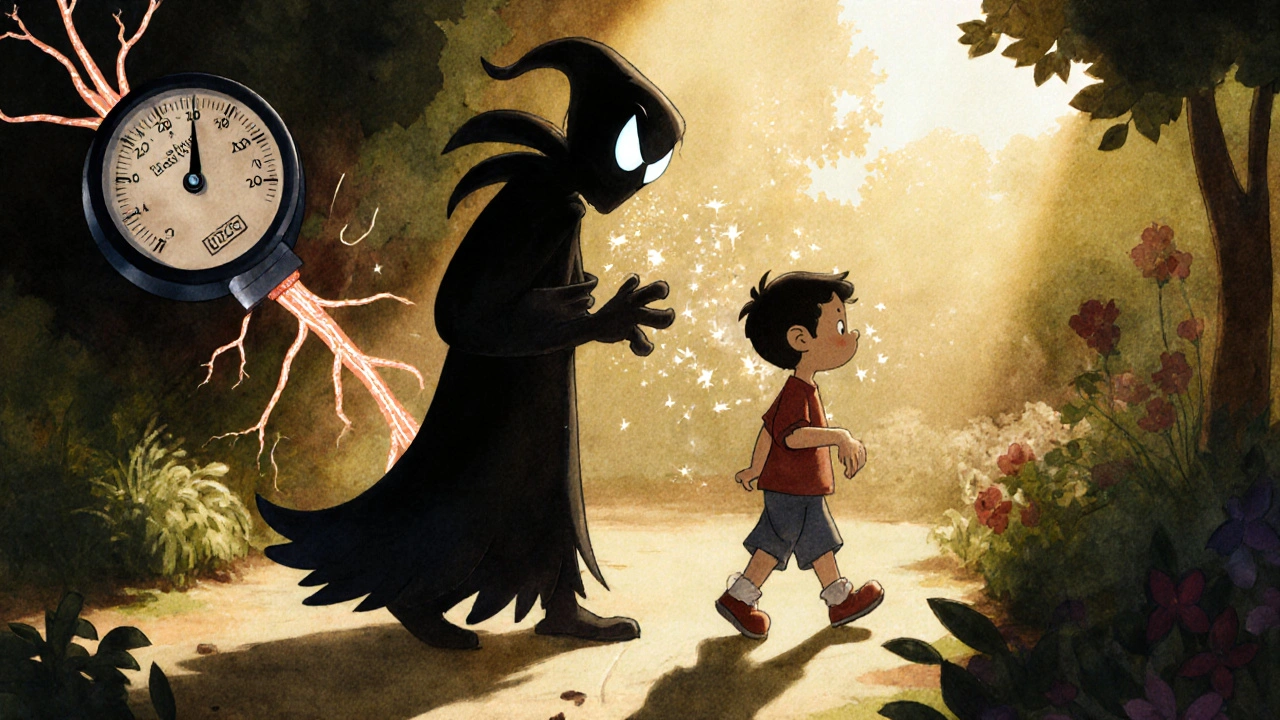
When your glaucoma, a group of eye conditions that damage the optic nerve, often due to high fluid pressure inside the eye. Also known as the silent thief of sight, it doesn’t hurt, doesn’t blur vision early on, and won’t announce itself until it’s too late. Most people don’t realize they have it until they’ve lost peripheral vision—sometimes years after it started. This isn’t rare. Over 3 million Americans have glaucoma, and half don’t know it. It’s not just for older adults either—it can hit younger people, especially if you’re Black, Hispanic, or have a family history.
What’s really going on inside your eye? Your eye makes fluid, and normally it drains out smoothly. But with glaucoma, that drainage gets clogged or slows down, and pressure builds up—this is called intraocular pressure, the fluid pressure inside the eye that, when too high, crushes the delicate optic nerve fibers. Over time, that pressure kills nerve cells that send visual signals to your brain. Once those cells die, they don’t come back. That’s why catching it early is everything. Your eye doctor checks this pressure during a routine exam, but pressure alone doesn’t tell the whole story. Some people have normal pressure and still get glaucoma. That’s why they also look at your optic nerve directly, test your peripheral vision, and sometimes scan the nerve layer thickness with a special imaging device.
There are different types, but the two main ones are open-angle and angle-closure. Open-angle is the most common—it creeps up slowly, like a leaky faucet you don’t notice until the sink is full. Angle-closure is rarer and more sudden; it can cause intense pain, redness, nausea, and blurry vision all at once. That’s an emergency. Then there’s normal-tension glaucoma, where damage happens even when pressure readings are in the "normal" range. Scientists still don’t fully understand why, but blood flow issues and genetics likely play a role.
Treatment isn’t about curing glaucoma—it’s about stopping it from getting worse. Eye drops are the first line. They either reduce how much fluid your eye makes or help it drain better. Some people need lasers to open drainage channels. Others need surgery if drops and lasers aren’t enough. The goal isn’t to restore lost vision—it’s to protect what’s left. And that means sticking with your treatment, even if you feel fine. Skipping drops for a few days won’t make you feel worse right away, but it will slowly hurt your vision over time.
What you’ll find in the posts below are real, practical insights from people who’ve lived with glaucoma, doctors who treat it, and studies that show what works—and what doesn’t. You’ll learn about new treatments, how to spot warning signs you might miss, and how to talk to your eye doctor so you’re not just going through the motions. This isn’t about fear. It’s about control. Your vision matters. Knowing what glaucoma really is gives you the power to protect it.