Red Flag Symptoms: When to Worry and What to Do Next
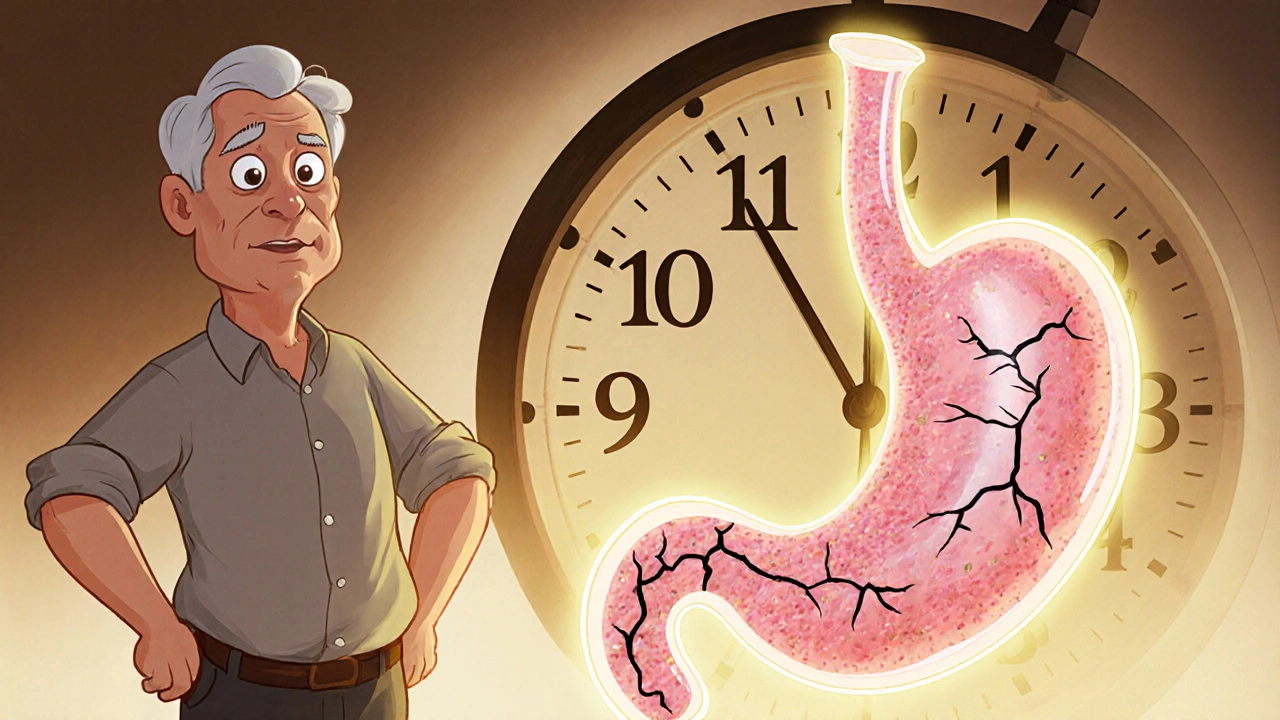
When your body sends out a red flag symptom, a clear, unusual warning sign that something serious may be happening inside. Also known as warning signs of serious illness, these aren’t just discomforts—they’re alarms. Ignoring them can turn a treatable issue into a crisis. Think of them like a car’s check engine light, but for your internal systems. If it’s blinking, you don’t wait to see if it goes away.
These symptoms don’t always mean cancer or a heart attack, but they often point to conditions that need quick action. For example, sudden chest pain that spreads to your arm or jaw? That’s not just indigestion. Unexplained weight loss with fatigue? That’s not just stress. A new, severe headache unlike anything you’ve had before? That’s not just a tension headache. These are the kinds of signs doctors see in patients who delayed care—and often wish they hadn’t. The dangerous side effects, unusual or worsening reactions to medications or treatments that signal harm can also trigger red flags. Like when a drug meant to help your blood pressure causes swelling in your throat, or a supplement like Danshen starts making you bleed easily. Your body doesn’t lie. It just gets louder when things go wrong.
What makes a symptom a red flag? It’s not how bad it feels—it’s how unexpected, sudden, or out of place it is. A 60-year-old with no history of heart problems suddenly struggling to breathe while walking to the mailbox? Red flag. A teenager with a headache that wakes them up at 3 a.m. and won’t go away with painkillers? Red flag. A person on insulin who starts sweating, shaking, and confused? That’s hypoglycemia turning dangerous. These aren’t rare cases. They show up in real stories from people who thought it was "just a phase"—until it wasn’t. And that’s why the posts here matter. You’ll find real-life examples: how clindamycin led to life-threatening diarrhea, why mixing herbal supplements with blood thinners can be deadly, and how muscle pain from statins is often misdiagnosed. You’ll learn what to watch for after surgery, during hormone therapy, or while taking weight loss drugs. No fluff. No guesses. Just what you need to know to spot trouble before it escalates.
What to Do When You See a Red Flag
If you notice one of these symptoms, don’t wait for it to get worse. Don’t scroll through forums or wait for your next appointment. Call your doctor now—or go to urgent care. If you’re dizzy, having trouble speaking, or your chest feels tight, call 911. These aren’t suggestions. They’re survival steps. The goal isn’t to scare you. It’s to give you the power to act before it’s too late. The posts below cover exactly these moments: the moments people wish they’d listened to their bodies sooner. Read them. Know what to look for. And if something feels off? Trust it.