Sensitive Skin: What It Is, What Triggers It, and How to Manage It
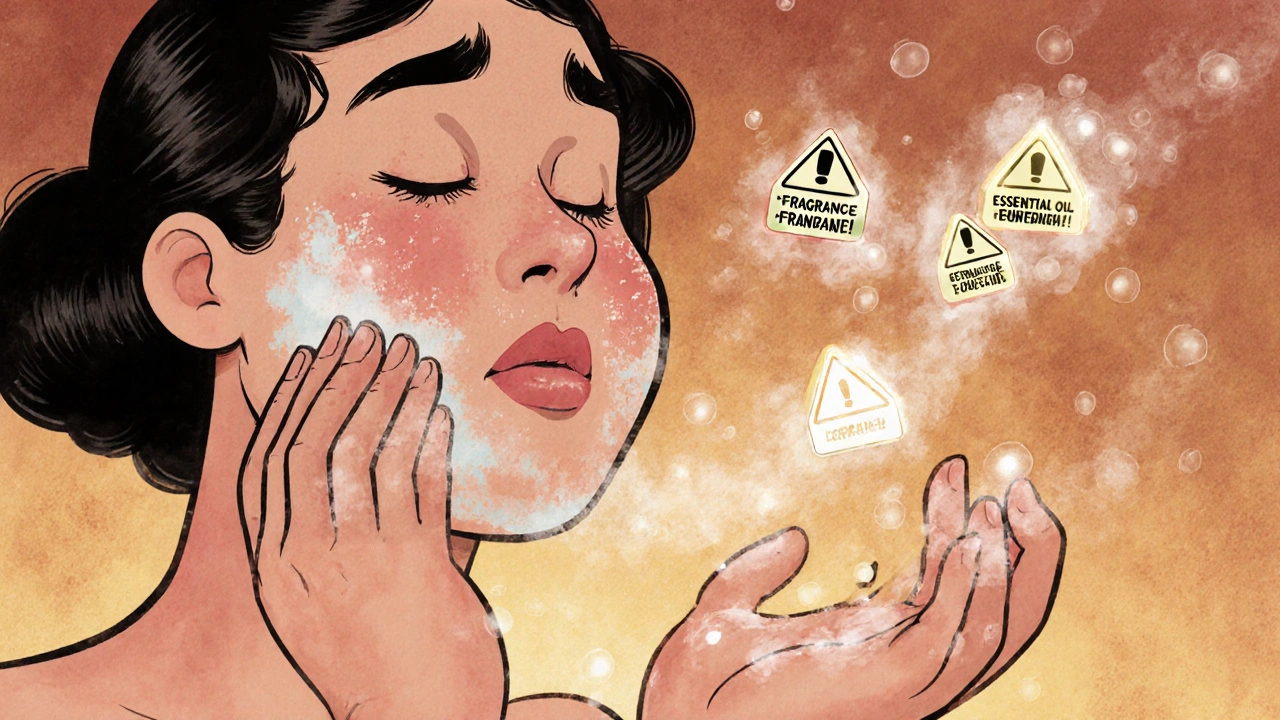
When your skin stings, turns red, or breaks out after using a new lotion, you’re not just being picky—you might have sensitive skin, a condition where the skin’s protective barrier is easily irritated by environmental or chemical triggers. Also known as reactive skin, it’s not an allergy in the classic sense, but it behaves like one—your skin overreacts to things most people handle just fine.
This isn’t just about dryness or occasional flushing. Sensitive skin often means your skin barrier—the outer layer that keeps moisture in and irritants out—is compromised. That’s why even gentle cleansers, fragrances in soap, or changes in weather can trigger burning, itching, or flaking. It’s not rare: studies show up to 50% of adults report some level of skin sensitivity, especially women and people with conditions like eczema or rosacea. The real issue? Most skincare products are designed for "normal" skin, not yours. You’re not broken—you’re just using the wrong tools.
What makes it worse is that many of the ingredients meant to help—like alcohol, essential oils, sulfates, and even "natural" extracts—can be the very things causing the problem. Your skin doesn’t care if something is labeled "organic" or "hypoallergenic" if it’s stripping your barrier or triggering inflammation. Instead, look for products with ceramides, niacinamide, and fatty acids—ingredients that actually repair the barrier, not mask symptoms. And don’t forget the role of internal triggers: stress, diet, and even hard water can worsen reactions. It’s not just what you put on your face—it’s what’s happening under the surface.
There’s no single test for sensitive skin. Doctors diagnose it by ruling out other conditions like psoriasis or contact dermatitis, then watching how your skin responds to patch tests or product changes. The goal isn’t to eliminate all products—it’s to find the few that don’t fight your skin. That’s where the real work begins: learning what your skin tolerates, what it rejects, and how to rebuild its defenses without wasting time or money on gimmicks.
Below, you’ll find real-world guides on what ingredients to avoid, how to read labels like a pro, and which medications or supplements might be quietly making your skin worse. Some posts dive into how certain drugs—like those used for diabetes or heart conditions—can trigger skin reactions. Others break down how common supplements like danshen or red bush tea might interact with your skin’s sensitivity. You won’t find fluff here. Just clear, practical info that helps you stop guessing and start protecting your skin.