
Tracking Lot Numbers and Recalls: What Patients Should Do Now

Recall Check Tool
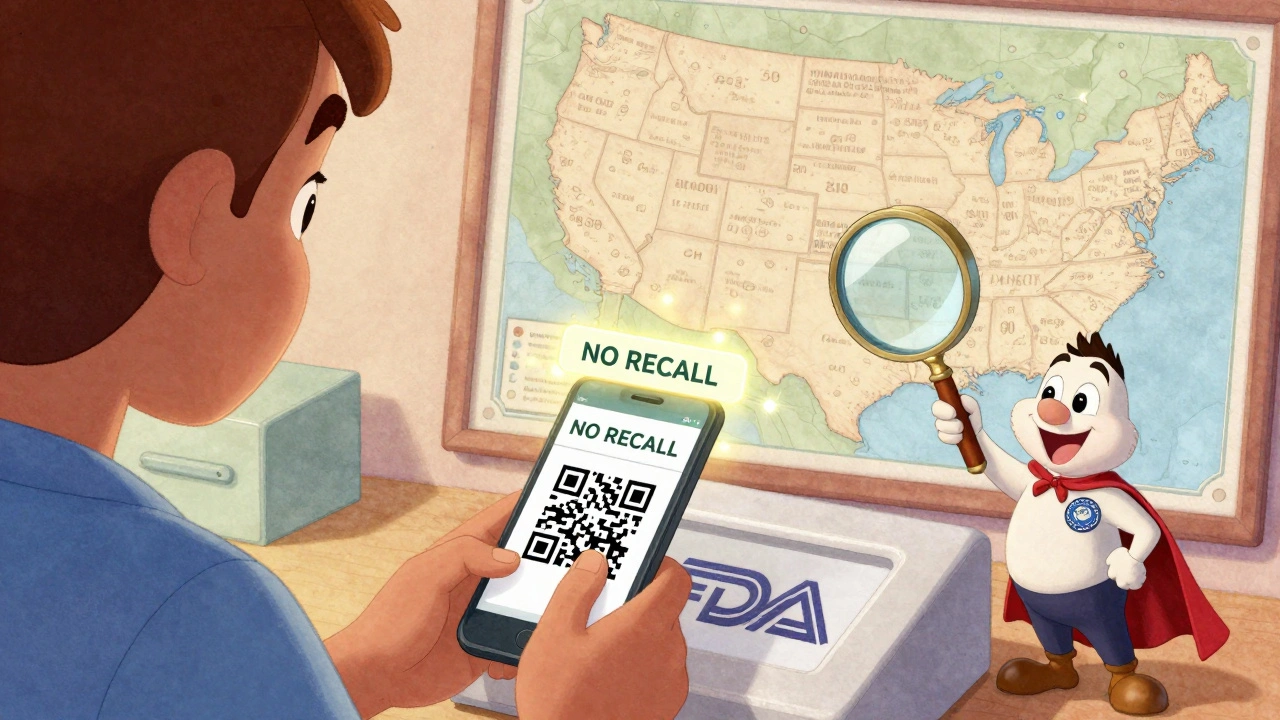
Check if Your Lot Number Is Recalled
Enter your device's lot number to see if it's affected by an FDA recall. This tool demonstrates the process patients should follow. (Note: Actual recall databases require direct FDA access.)
Lot numbers typically look like L20230105 or AB5X2021. Your lot number may be on your implant card, surgical report, or device packaging.
Why Lot Numbers Matter for Your Safety
If you’ve had a hip replacement, a pacemaker, or even received a vaccine, you’ve been given a lot number. It’s not just a random code - it’s your lifeline during a recall. When a medical device or medicine turns out to be faulty, manufacturers don’t recall every single unit ever made. They pinpoint the exact batch - the lot - that’s affected. That’s why knowing your lot number can mean the difference between catching a problem early and facing serious harm.
In 2023, the FDA recorded over 6,700 medical device recalls. Most of these weren’t mass warnings. They targeted specific lots. For example, in 2021, Edwards Lifesciences recalled only 2,807 heart valve units out of hundreds of thousands sold - because they tracked the lot numbers. Without that precision, every patient with that type of valve would’ve been told to panic, even if their device was safe.
What Is a Lot Number, Really?
A lot number is a unique code printed on the packaging, implant card, or surgical report. It tells you when and where your item was made. It might look like L20230105 (meaning January 5, 2023) or AB5X2021. Some include serial numbers too. These codes are built into the system so that if something goes wrong - a faulty seal, a broken wire, a contaminated batch - the manufacturer can trace it back to the exact production run.
Not all devices have lot numbers. But if you got something implanted, injected, or used long-term - like a glucose monitor, insulin pump, or joint implant - you almost certainly do. The FDA requires lot tracking for Class II and III devices: those that support life, are implanted for over a year, or could cause serious injury if they fail.
How to Find Your Lot Number
You won’t always get it right away. Many patients don’t even know they need to look for it. Here’s where to find it:
- Your implant card: Given to you after surgery. It lists the device name, model, lot number, and manufacturer. Keep it like a credit card.
- Surgical report: Your surgeon’s office should have this. It includes the lot number used during your procedure.
- Device packaging: If you kept the box from your medication or device, check the label.
- Electronic health records: Starting in 2023, major EHR systems like Epic and Cerner are required to show device lot numbers in patient portals. Log in and check your discharge summary.
According to FDA research, 68% of patients with implants couldn’t find their implant card when asked. Don’t be one of them. Take a photo of your card right after surgery. Save it in your phone’s photos folder labeled “Medical Devices.”
What to Do When a Recall Happens
Recalls aren’t emergencies - but they’re urgent. The FDA classifies them by risk:
- Class I: Highest risk. Could cause serious injury or death. (About 12% of all recalls.)
- Class II: May cause temporary health issues or minor injury.
- Class III: Unlikely to cause harm - often labeling or packaging errors.
When a recall is issued, the manufacturer and FDA send out alerts. But here’s the problem: 57% of patients in reviews say manufacturers struggle to reach them directly. Phone numbers change. Addresses get outdated. Emails get buried.
Don’t wait for them to find you. Do this:
- Check the FDA’s Medical Device Recalls Database every three months. Search by device name or lot number.
- Sign up for FDA email alerts at fda.gov/medwatch. Registered users get notified 14 days faster on average.
- Register your device with the manufacturer. Most have online portals - especially for pacemakers, insulin pumps, and joint replacements.
Pro tip: If you’re unsure whether your lot number is affected, call the manufacturer’s patient support line. Have your lot number ready. They can check it in seconds.
How Patients Are Getting Help - and Where the System Still Fails
Some patients are ahead of the game. One 2023 case study showed a clinic automatically flagged a contaminated vaccine lot (#VX220915) because their system scanned the barcode at the time of injection. The patient was notified within 24 hours - no phone call, no letter, no waiting.
But many still struggle. Reddit user OrthoPatient87 spent three weeks trying to confirm their hip implant was recalled. They finally found their lot number - AB5X2021 - buried in an old email from their surgeon. “They should make this easier,” they wrote.
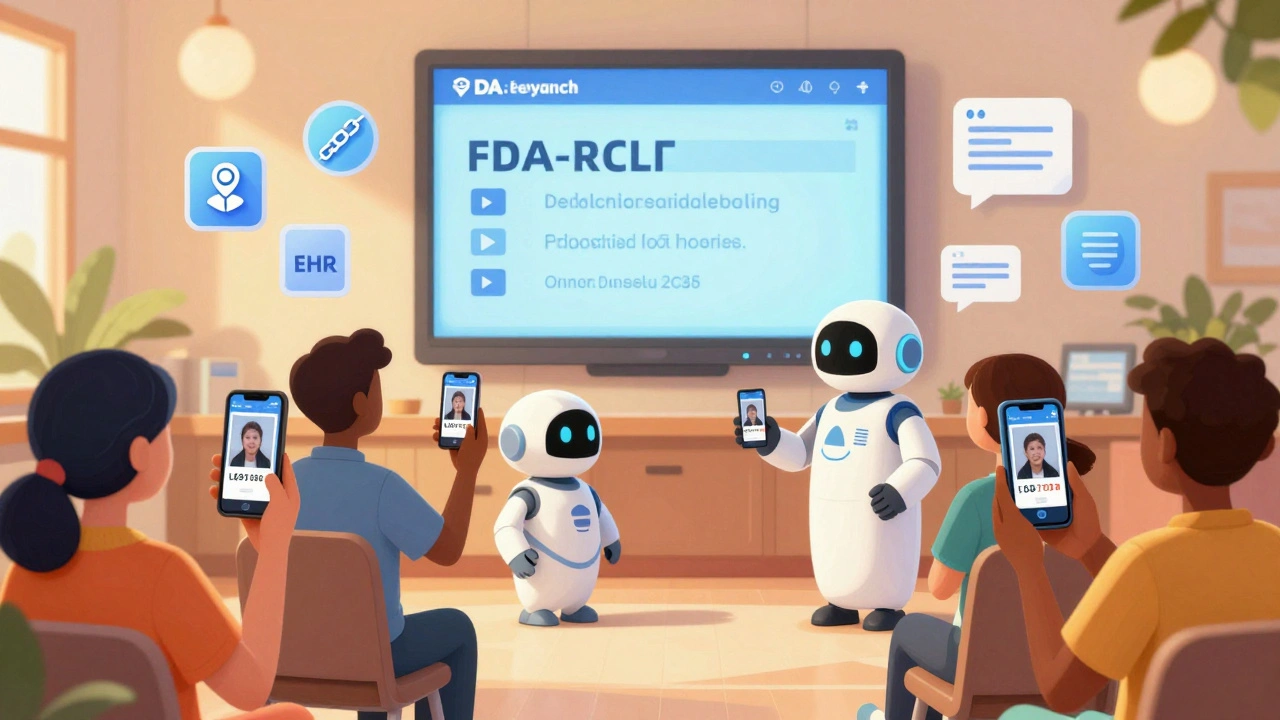
That’s changing. In January 2024, the FDA launched a pilot program where you can text your lot number to 311-FDA and get an instant recall status. It’s still in testing, but it’s a step forward. By 2026, AI systems are expected to automatically match your EHR data with recall databases - cutting notification time from weeks to hours.
Your Action Plan: Simple, Fast, Life-Saving
You don’t need to be a tech expert. Just follow this 20-minute plan:
- Find your lot number - check your implant card, surgical report, or device box.
- Take a photo and save it in your phone with a clear label: “Pacemaker Lot: L20220814” or “Hip Implant: ZB9M2023”.
- Create a digital folder - Google Drive, iCloud, or even a Notes app - called “Medical Devices.” Add the implant card photo, surgical report PDF, and device manual.
- Sign up for FDA alerts at fda.gov/medwatch. It’s free and takes 2 minutes.
- Check the FDA recall site every quarter. Bookmark it now.
Patients who do this reduce their response time by 72 hours on average, according to regulatory experts. That’s three full days - time that could mean catching a problem before it turns into a crisis.
What Your Doctor Should Be Doing (But Might Not Be)
Healthcare providers are supposed to scan your device’s barcode into your electronic record at the time of implant. That creates automatic tracking. But not all clinics do it. A 2023 report found only 67% of orthopedic devices had lot numbers logged in EHRs - compared to 98% for cardiac implants.
If you’re getting a new implant, ask: “Will you scan the barcode and record the lot number in my chart?” If they say no, ask why. You have the right to this information. It’s not just paperwork - it’s safety.
What’s Coming Next
The future of recall systems is faster, smarter, and more patient-driven:
- Blockchain trials by Medtronic and Johnson & Johnson let you verify your device’s history via a mobile app.
- AI matching will cross-reference your EHR with recall databases - no action needed from you.
- Privacy-first tracking is being tested: you can get alerts without sharing your name or address.
The FDA’s goal? Cut the average recall notification time from 18.7 days to under 7 days by 2027. That’s ambitious - but possible, if patients stay informed.
Final Thought: Your Safety Is Your Responsibility - But You’re Not Alone
You don’t need to memorize codes or become a compliance expert. Just keep your lot number handy. Take a photo. Save it. Check the FDA site once every few months. Sign up for alerts. That’s it.
Most recalls are minor. But when they’re not, knowing your lot number can save your life. And in a system that’s still catching up, that small step is the most powerful thing you can do.
Just took a pic of my hip implant card and saved it. Done.
I'm a nurse, and I can't tell you how many patients come in with no idea what lot number means. Seriously. I make them take a photo of their implant card right after surgery. I even print out a little card for them with the device name, lot number, and FDA link. It's not hard, but so few do it. Please, if you're reading this and you've had anything implanted - stop scrolling and do it now. Your future self will thank you. I've seen people panic because they didn't know their lot number. Don't be one of them.
i had a pacemaker installed last year and the hospital never gave me a card. i had to call them 3 times and they finally emailed me the pdf. the lot number was in the fine print. also the website they sent me was down. so much for tech. fix this pls
Ah yes, the classic "take a photo" advice. Because nothing says "modern healthcare" like treating your medical device like a concert ticket you need to snap for entry. Meanwhile, the FDA’s system still runs on Excel spreadsheets and prayers. But hey, at least we can text 311-FDA now. Next up: QR codes on your pacemaker. Just scan it like a beer can. 🍻
I appreciate the intent behind this post, but I must emphasize that the burden should not fall solely on patients. Healthcare institutions have a moral and legal obligation to ensure that critical device information is embedded in electronic records at the point of care. The fact that only 67% of orthopedic devices are logged is unacceptable. We need systemic reform, not just personal diligence.
I know this sounds cheesy but I saved my mom’s hip implant info in her Google Drive folder called "Health Stuff" and now she doesn’t stress about it anymore. She’s 78 and doesn’t use tech much but she knows she can ask me anytime. I also signed her up for FDA alerts. It’s not about being tech-savvy - it’s about being loved. And if you’re reading this and you’ve got someone older in your life? Do this for them. It’s the easiest way to show you care.
The entire premise is fundamentally flawed. Why should a patient be responsible for tracking a lot number when the manufacturer, the hospital, and the FDA all have the data? This is a classic case of neoliberal healthcare outsourcing risk to the individual. Meanwhile, the same corporations that profit from these devices spend millions lobbying against mandatory centralized registries. The real solution isn't a photo on your phone - it's a national implant registry with blockchain-backed transparency. But of course, that would require accountability. And we all know how much American healthcare loves that.
I live in Ireland and we have a national device registry - all implants are logged automatically. No patient action needed. It’s seamless. I know it’s not perfect, but it’s a start. I wish the U.S. would take this seriously. You don’t need to be a genius to see that if a device fails, the system should find you - not the other way around. Maybe we need to stop treating patients like IT support and start treating them like people.
I cried when I finally found my mom’s lot number after three weeks of calling hospitals. She had a knee replacement in 2020 and the surgeon’s office said "we don’t keep those records." I had to dig through old emails from 2019. I’m not mad - I’m just exhausted. Why does safety have to be this hard?
I just checked my EHR portal - my insulin pump’s lot number was there. I didn’t even know they were required to show it. I’m grateful. But I also know not everyone has access to Epic or Cerner. This needs to be standardized across all providers, not just the big ones. We’re making progress, but equity matters. Everyone deserves to know their device’s history - regardless of where they got care.