
Who Needs Pneumocystis Pneumonia Prophylaxis When Taking Immunosuppressants?
PCP Prophylaxis Risk Calculator
Risk Assessment
Risk Result
Risk Assessment
Enter values above to see results
When you’re on long-term steroids or other immunosuppressants, your body’s defenses are turned down. That’s why some infections, like Pneumocystis pneumonia (PCP), become a real threat-even though most healthy people never even hear of it. PCP isn’t something you catch from a coworker or a sick kid. It’s a quiet, dangerous fungus that lives in the air and only causes trouble when your immune system is too weak to fight it off. And for people on powerful drugs like prednisone, cyclophosphamide, or mycophenolate, that’s exactly the situation they’re in.
What Exactly Is Pneumocystis Pneumonia?
PCP used to be called Pneumocystis carinii pneumonia. Now we know it’s caused by Pneumocystis jirovecii, a fungus that’s everywhere but harmless to most people. In someone with a normal immune system, it’s like background noise. But if your T-cells drop below 200 cells per microliter-or you’re on high-dose steroids for weeks-you’re in danger. Without treatment, PCP kills more than half of affected patients. Even with treatment, hospital stays can last weeks, and costs run from $25,000 to $65,000 per episode. That’s why preventing it matters more than treating it.
Who’s at Risk? The Real Rules
Not everyone on immunosuppressants needs PCP prophylaxis. But some groups are clearly at high risk. Here’s what the evidence says:
- Prednisone at 20 mg/day or more for 4 weeks or longer-this is the clearest trigger. The British Columbia Renal Agency and CDC both point to this dose and duration as the tipping point. Even if you’re taking 15 mg/day, if you’re on it for months with other drugs, your risk goes up.
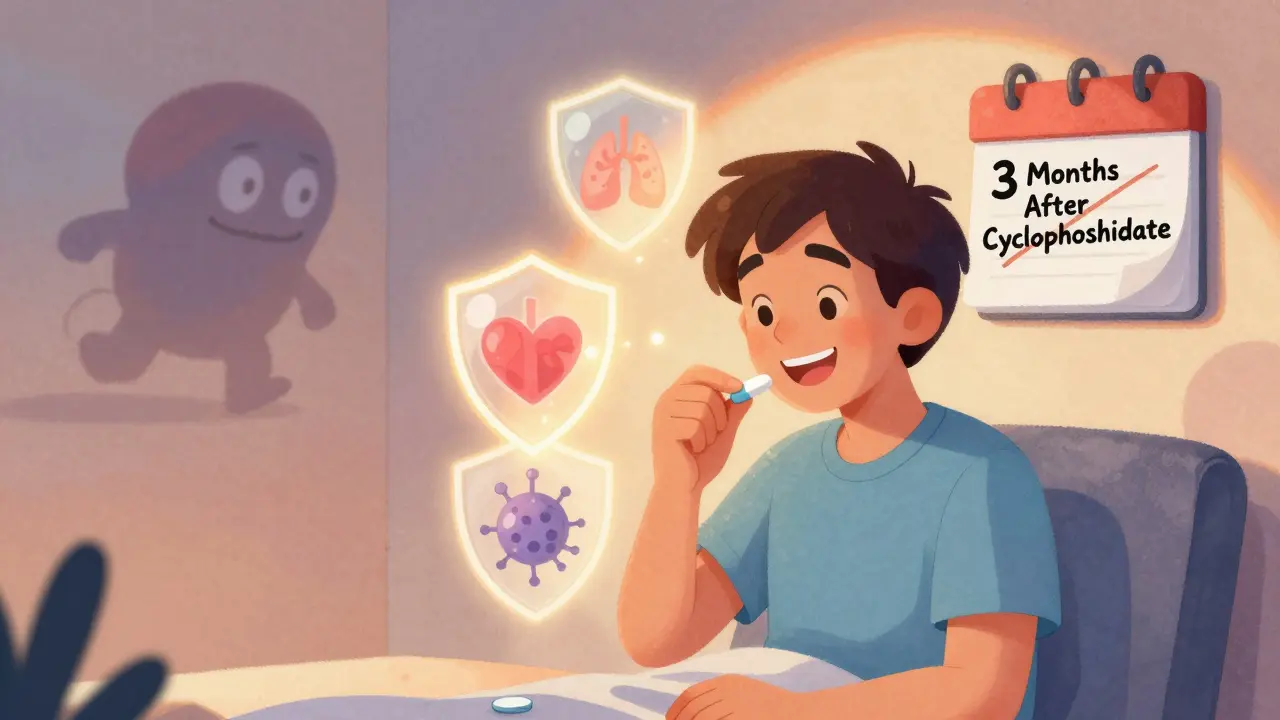
- Cyclophosphamide-whether for vasculitis, lupus, or cancer-requires prophylaxis. Studies show over 25% of patients on this drug don’t get it, even though they’re among the highest risk. Prophylaxis should continue for at least three months after stopping the drug.
- Combination therapy-if you’re on a steroid plus azathioprine, mycophenolate, or rituximab, your risk isn’t just added, it’s multiplied. One drug might be low risk alone, but together, they’re a perfect storm.
- Low lymphocyte counts-if your absolute lymphocyte count is below 0.5 x 10⁹/L, or your CD4 count is under 200, you’re at risk even if your steroid dose is low. Some experts now say these numbers matter more than the drug dose itself.
- Recent transplant or bone marrow recipients-these patients are on multiple drugs and have severely suppressed immunity. Prophylaxis is standard here.
But here’s the twist: some people on high-dose steroids never get PCP. A 2018 study followed 316 rheumatic disease patients on immunosuppressants for over two years. Only 39% got prophylaxis. And guess what? Zero cases of PCP occurred-not even in those who skipped it. That’s why some doctors are now asking: Is prophylaxis always necessary?
The Prophylaxis Debate: Protect or Over-Treat?
The data is messy. On one side, guidelines say: if you’re on high-dose steroids or cyclophosphamide, start prophylaxis. On the other side, real-world data shows PCP is rare-even without it. And the drugs used to prevent it aren’t harmless.
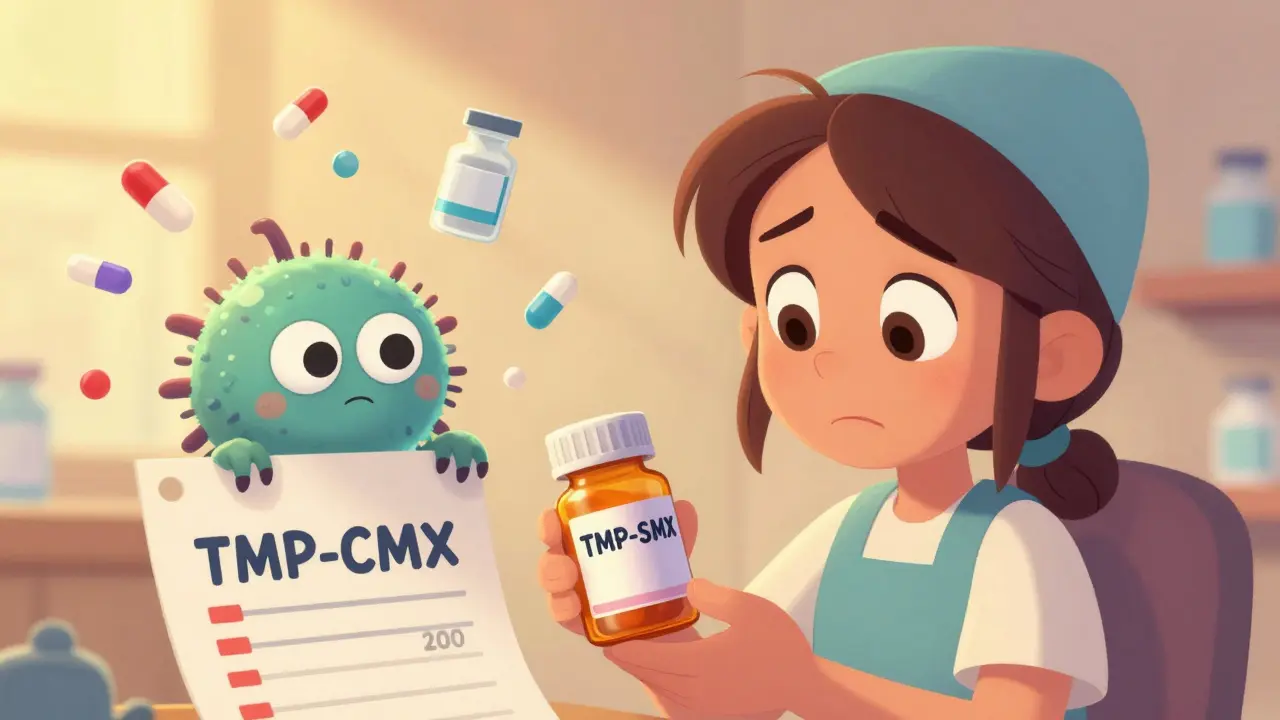
Trimethoprim-sulfamethoxazole (TMP-SMX), the first-line drug, causes side effects in 20-30% of people. Rash, nausea, low white blood cells, liver enzyme spikes-all common. One patient in Melbourne told me she stopped it after three weeks because her skin broke out in itchy red patches. Another developed low platelets and had to switch to dapsone, which then gave him anemia.
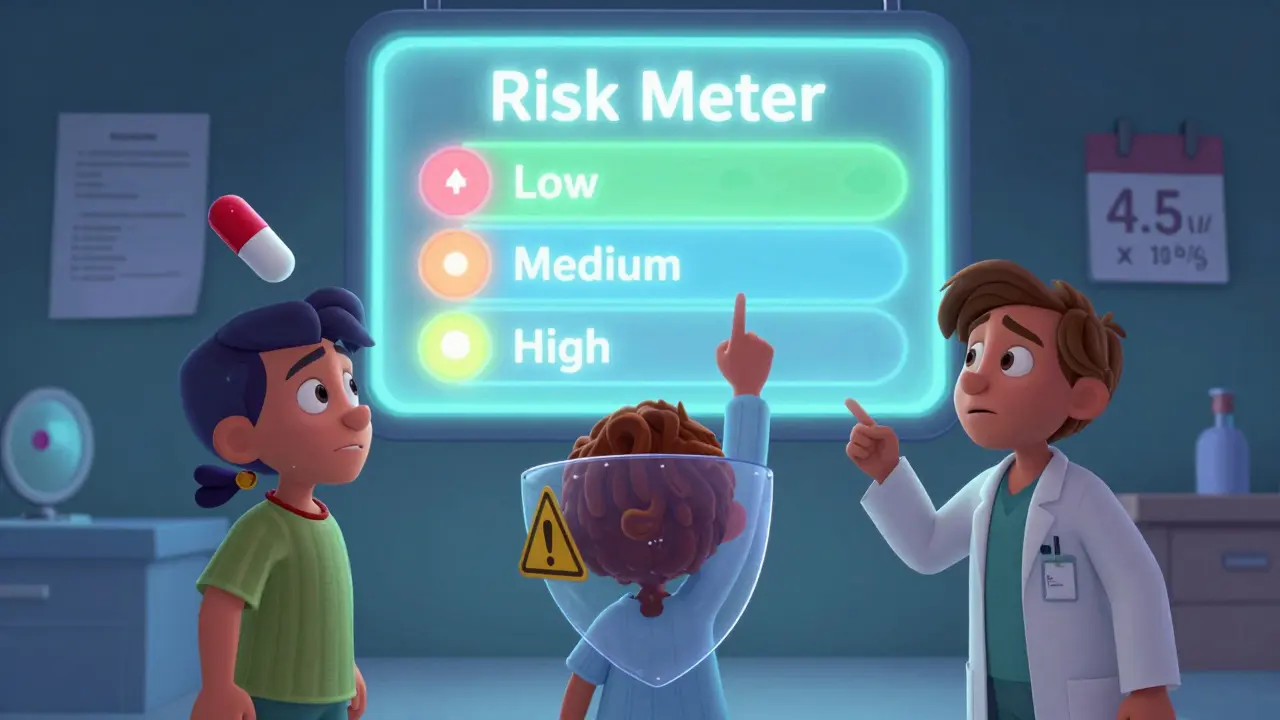
That’s why some experts now recommend a personalized approach. Instead of blanket rules, ask: What’s your number needed to treat (NNT) versus number needed to harm (NNH)? If your risk of PCP is 1 in 50 over a year, and your chance of a bad reaction to TMP-SMX is 1 in 5, maybe the risk isn’t worth it. But if you’re on cyclophosphamide with a CD4 count of 150? The NNT is 1. You need it.
What Drugs Are Used-and What to Avoid
If you need prophylaxis, here’s what works:
- Trimethoprim-sulfamethoxazole (TMP-SMX)-one double-strength tablet daily. This is the gold standard. Cheap, effective, and proven over decades.
- Dapsone-100 mg daily. Good alternative for sulfa allergies. But don’t use it if you’re also on mycophenolate-both can crash your bone marrow.
- Atovaquone-1500 mg daily. Better tolerated, but expensive. Not recommended in pregnancy during the first trimester.
- Aerosolized pentamidine-inhaled monthly. Avoid in pregnancy and if you have lung disease. It’s messy, requires special equipment, and isn’t as reliable as oral drugs.
- Dapsone + pyrimethamine + leucovorin-weekly. Used when other options fail. Leucovorin is no longer needed with TMP-SMX, but still used here to protect blood cells.
Important note: You don’t need leucovorin with TMP-SMX anymore. That’s an old habit from the 1980s. Current CDC guidelines say skip it. It doesn’t help and adds cost.
When to Start-and When to Stop
Start prophylaxis before or at the same time as your immunosuppressant. Don’t wait for symptoms. If you’re starting prednisone at 30 mg/day for lupus nephritis, begin TMP-SMX right away.
Stopping is trickier. For steroids, once you’re down to under 20 mg/day and staying there for a few weeks, you can usually stop prophylaxis. But if you’re on cyclophosphamide, keep going for three months after the last dose. For transplant patients, guidelines vary-some stay on it for a year or more.
Don’t stop based on how you feel. PCP doesn’t give warning signs until it’s too late. That’s why doctors rely on lab numbers, not symptoms.
What About Pregnancy?
Yes, you can still get prophylaxis if you’re pregnant-but avoid aerosolized pentamidine and atovaquone in the first trimester. TMP-SMX and dapsone are considered safe. The risk of PCP to mother and baby is far greater than the risk of the drug. Talk to your OB and infectious disease specialist together.
Why So Many Doctors Get It Wrong
Studies show only 60-70% of high-risk patients get prophylaxis. Why? Because guidelines aren’t unified. Rheumatologists are less likely to prescribe it than nephrologists or transplant doctors. Many don’t know the exact thresholds. Others worry about side effects. Some think, “It’s rare, so why bother?”
But here’s the reality: PCP is rare-but when it hits, it hits hard. And it’s preventable. A 2022 study found that doctors with under five years of experience were over three times more likely to miss prophylaxis than those with more than a decade. That’s not about ignorance-it’s about systems. If your EHR doesn’t flag high-risk patients, or if there’s no checklist, it gets missed.
What You Should Do
If you’re on immunosuppressants:
- Ask your doctor: Do I need PCP prophylaxis? Don’t assume you don’t.
- Know your CD4 count and lymphocyte count. If they’re below 200 or 0.5 x 10⁹/L, you’re at risk-even if your steroid dose is low.
- If you’re on cyclophosphamide or high-dose steroids for more than 4 weeks, prophylaxis is likely needed.
- If you can’t take TMP-SMX, ask about dapsone or atovaquone-but avoid dapsone with mycophenolate.
- Report side effects early. Don’t wait until you’re too sick to stop it.
- Keep taking your prophylaxis even if you feel fine. PCP doesn’t care how you feel.
And if you’re a clinician? Use a checklist. Flag patients on cyclophosphamide or prednisone ≥20 mg/day. Check lymphocyte counts. Document why you started or stopped. This isn’t just good practice-it’s becoming a quality metric tracked by Medicare.
The Bottom Line
PCP prophylaxis isn’t one-size-fits-all. But for people on high-dose steroids, cyclophosphamide, or combinations of immunosuppressants, it’s life-saving. The evidence isn’t perfect, but the stakes are too high to ignore. If you’re on these drugs, talk to your doctor about your risk-not just your symptoms. A simple pill, taken daily, can keep you out of the ICU. And that’s worth more than any side effect.
Wow, this is one of the clearest, most practical summaries of PCP prophylaxis I’ve ever read-seriously, thank you. I’ve seen so many patients skip TMP-SMX because they ‘feel fine,’ and then end up in the ICU with oxygen masks. The NNT vs. NNH breakdown? Perfect. We need more clinicians thinking this way.
THIS. I’ve been screaming this from the rooftops for years. People think prophylaxis is overkill-but PCP doesn’t care how ‘healthy’ you look. It waits. It creeps. And then-boom-you’re gasping for air while your doctor scrambles to figure out why you didn’t take that one pill. Don’t wait until you’re on a ventilator to listen.
So we’re just gonna give everyone a toxic drug because maybe, possibly, one person in 50 might get a rare infection? That’s not medicine, that’s fear-based bureaucracy. I’ve been on prednisone for 8 years at 15mg and I’ve never even had a cold. Your ‘guidelines’ are just profit-driven nonsense
Phil you’re missing the point-PCP isn’t a cold, it’s a death sentence if you don’t catch it early. I had a roommate on cyclophosphamide who skipped prophylaxis because he ‘felt fine’-he was dead in 11 days. No warning. No second chance. Don’t gamble with your lungs. And also-dapsone + mycophenolate is a bad combo, don’t do it. I learned that the hard way.
The entire paradigm of prophylaxis is a product of Western medical hegemony. In India, where steroid use is widespread and access to TMP-SMX is limited, we observe significantly lower PCP incidence. This suggests either environmental resilience or, more likely, systemic underreporting. The CDC guidelines are not universal truths-they are institutionalized dogma. The real question is: Who benefits from this pharmaceutical compliance culture? The answer is never the patient.
I’ve been on mycophenolate + low-dose prednisone for 3 years. Got my CD4 checked last month-198. My rheumatologist said ‘eh, you’re close enough, keep going.’ I almost didn’t ask. But I did. And now I’m on dapsone. Best decision ever. Feels good to be proactive, not reactive. You don’t need to be scared-just informed.
There is a profound ethical responsibility in prescribing prophylaxis-not merely as a clinical protocol, but as an act of relational care. To withhold it under the guise of ‘rare incidence’ is to reduce human vulnerability to statistical abstraction. The patient who feels ‘fine’ is not the same as the patient who is immunologically silent. We must listen to the body’s unspoken language, not just the lab report’s loud pronouncements.
According to the 2023 IDSA guidelines, revision 4.2, section 7.1, prophylaxis is indicated for patients on corticosteroids ≥20 mg prednisone equivalent for ≥4 weeks, in the presence of lymphopenia <0.5 x 10⁹/L, or concurrent use of alkylating agents. Failure to adhere constitutes a deviation from standard of care. The cited 2018 study lacked multivariate adjustment for confounders, including concomitant rituximab use and baseline CD4 trajectories. Therefore, its conclusions are statistically invalid.
Have you ever thought… maybe the fungus is trying to tell us something? Like, maybe our bodies are too clean? Maybe we’re over-medicalizing nature? I mean, in the old days, people didn’t take pills to prevent every little thing… maybe PCP is just the universe’s way of saying, ‘Hey, slow down, breathe, stop being so afraid.’
Let me ask you this: Who funds the CDC? Who profits from the sale of TMP-SMX? Who controls the narrative that PCP is ‘deadly’? The pharmaceutical-industrial complex has created this fear to sell drugs. In rural India, millions take steroids daily without prophylaxis-and they live. The truth is hidden. The data is manipulated. Wake up.
As a Canadian, I find this whole American obsession with prophylaxis… kinda ridiculous. We’ve got universal healthcare, so we don’t need to over-prescribe to justify insurance billing. We assess risk, we monitor, we intervene-no blanket pill-pushing. You guys treat medicine like a vending machine: insert symptoms, get drug. It’s exhausting. And frankly, un-Canadian.
There’s a deeper philosophical tension here: between the precautionary principle and the principle of autonomy. We are told to take a drug to prevent a disease we may never get, sacrificing our bodily integrity for statistical safety. But what if the cost of that safety-side effects, anxiety, loss of agency-is itself a form of harm? Perhaps the real illness is not the fungus, but the surrender of trust in our own bodies to institutional authority.