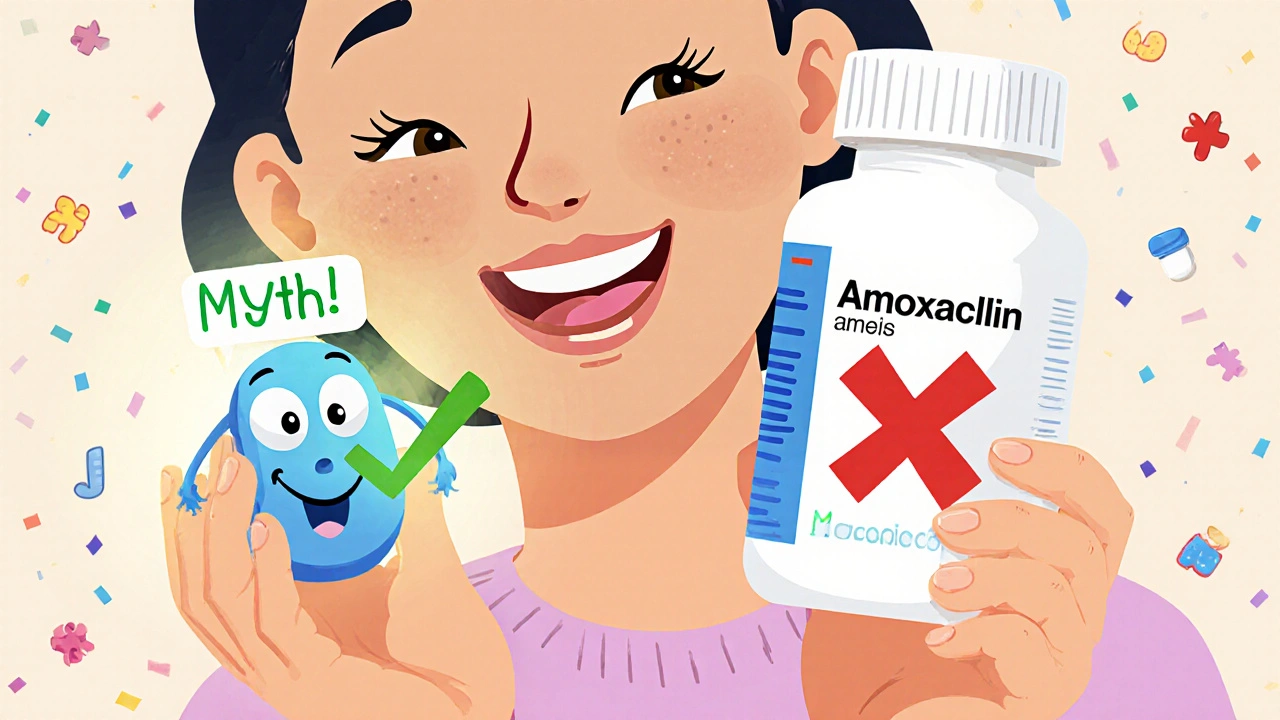
Antibiotic Contraceptive Myth: Truth Behind the Misconception
When people hear they’re taking an antibiotic, a medication used to treat bacterial infections, they often panic about their contraceptive, a method or device used to prevent pregnancy. The idea that antibiotics make birth control fail is everywhere—online forums, advice from friends, even some pharmacists. But here’s the truth: for most antibiotics, this isn’t true. The antibiotic contraceptive myth, the widespread but incorrect belief that all antibiotics reduce birth control effectiveness is rooted in one real case, then blown out of proportion by fear and misinformation.
Only one antibiotic, rifampin (and its cousin rifabutin), has been proven to interfere with hormonal birth control by speeding up how the liver breaks down estrogen and progestin. That’s it. Common ones like amoxicillin, azithromycin, or doxycycline? No meaningful effect. Studies from the CDC and the American College of Obstetricians and Gynecologists confirm this. Yet, the myth persists because people confuse it with other real issues—like vomiting or diarrhea from an infection, which can reduce pill absorption. Or they mix it up with other drugs, like certain antiseizure meds or HIV treatments, that truly do interfere. The contraceptive side effects, unwanted reactions from birth control methods you feel—nausea, mood swings, spotting—are not caused by antibiotics. And if you’re on rifampin, your doctor should already be warning you. If not, ask.
What’s more, the fear around this myth leads people to skip pills, use condoms inconsistently, or even stop birth control entirely—putting them at higher risk of unintended pregnancy than the antibiotics ever could. Meanwhile, real drug interactions fly under the radar. For example, antibiotic interactions, how certain drugs affect each other’s performance in the body with blood thinners or diabetes meds are far more dangerous than any supposed birth control clash. The real issue isn’t antibiotics—it’s the lack of clear, simple guidance. You don’t need backup contraception with most antibiotics. But you do need to know which ones actually matter, and why.
Below, you’ll find real posts that cut through the noise—on how antibiotics truly affect your body, what drugs actually interfere with hormones, and how to tell when you’re being misled by outdated advice. No fluff. Just facts you can use to protect your health without unnecessary worry.