Antibiotics and Birth Control Interaction: What You Need to Know
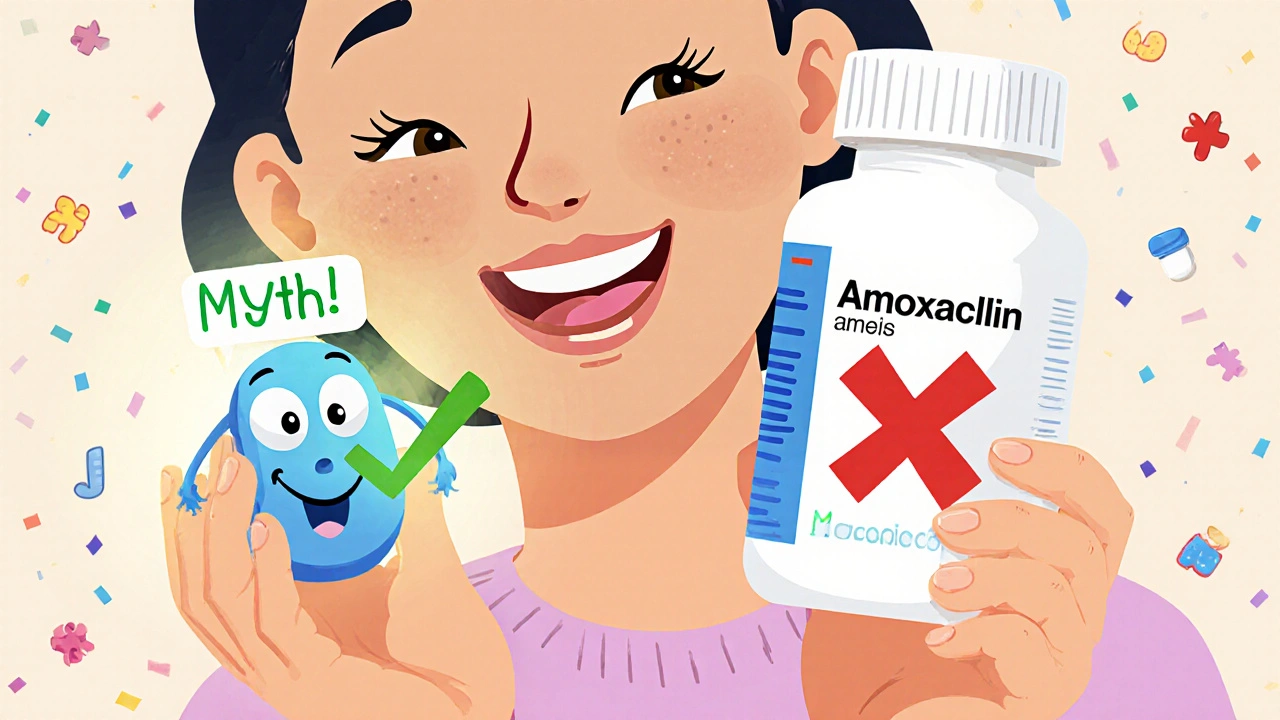
When you take antibiotics, medicines used to treat bacterial infections like pneumonia, urinary tract infections, or strep throat. Also known as antibacterial agents, they work by killing or stopping the growth of harmful bacteria. Many people worry these drugs might mess with their birth control, hormonal methods like pills, patches, or rings that prevent pregnancy by controlling ovulation and thickening cervical mucus. Also known as hormonal contraception, these methods rely on steady hormone levels to work right. The big question: do antibiotics make birth control fail? The short answer is: rarely—but not never. Most common antibiotics, like amoxicillin or azithromycin, don’t touch birth control. But one, rifampin, a powerful antibiotic used for tuberculosis and some other serious infections, is the exception. It speeds up how your liver breaks down hormones, lowering their levels enough to risk pregnancy. That’s the only antibiotic with solid proof of this interaction.
So why do people still panic? Because the myth sticks. Maybe you heard a story about someone getting pregnant while on antibiotics and birth control. Or maybe your pharmacist gave a cautious warning. But here’s the truth: if you’re taking a standard antibiotic for a sinus infection or a toothache, your birth control is still working. The real danger isn’t the antibiotic—it’s forgetting to take your pill because you’re sick. Missing doses, vomiting, or diarrhea from illness can lower hormone levels more than any drug ever could. And if you’re on rifampin? Then you need a backup method like condoms or a copper IUD during treatment and for a month after. No guesswork. No hoping. Just protection.
What about other drugs? Things like seizure meds, HIV treatments, or even St. John’s wort can interfere with birth control too. These are more common culprits than antibiotics. If you’re on any long-term medication, check with your doctor before starting birth control. And if you’re ever unsure—use condoms. They’re not just for STI protection; they’re your insurance policy when drug interactions are a question mark. You don’t need to memorize every possible interaction. Just know the big ones, ask your pharmacist, and keep backups handy.
Below, you’ll find real-world stories and clear breakdowns of how medications interact, what to watch for, and how to stay in control of your health—even when you’re taking multiple pills. No fluff. No fear. Just facts you can use.