High-Alert Medications: What They Are and Why They Require Extra Care
When we talk about high-alert medications, drugs that carry a high risk of causing serious harm if misused. Also known as dangerous drugs, these aren’t just strong—they’re unforgiving. A small mistake in dosage, timing, or mixing with another drug can lead to hospitalization, permanent injury, or even death. That’s why hospitals, pharmacies, and doctors treat them differently than regular pills or injections.
These medications include things like insulin, a life-saving hormone for diabetes that can cause deadly low blood sugar if given incorrectly, blood thinners, like warfarin or Eliquis, which can cause internal bleeding if dosed wrong or mixed with certain herbs like Danshen, and opioids, painkillers that slow breathing and can be fatal in overdose. Even common drugs like sedatives, used for anxiety or sleep, can crash your system if combined with alcohol or other depressants. These aren’t hypothetical risks—they’re real, documented dangers that show up in emergency rooms every day.
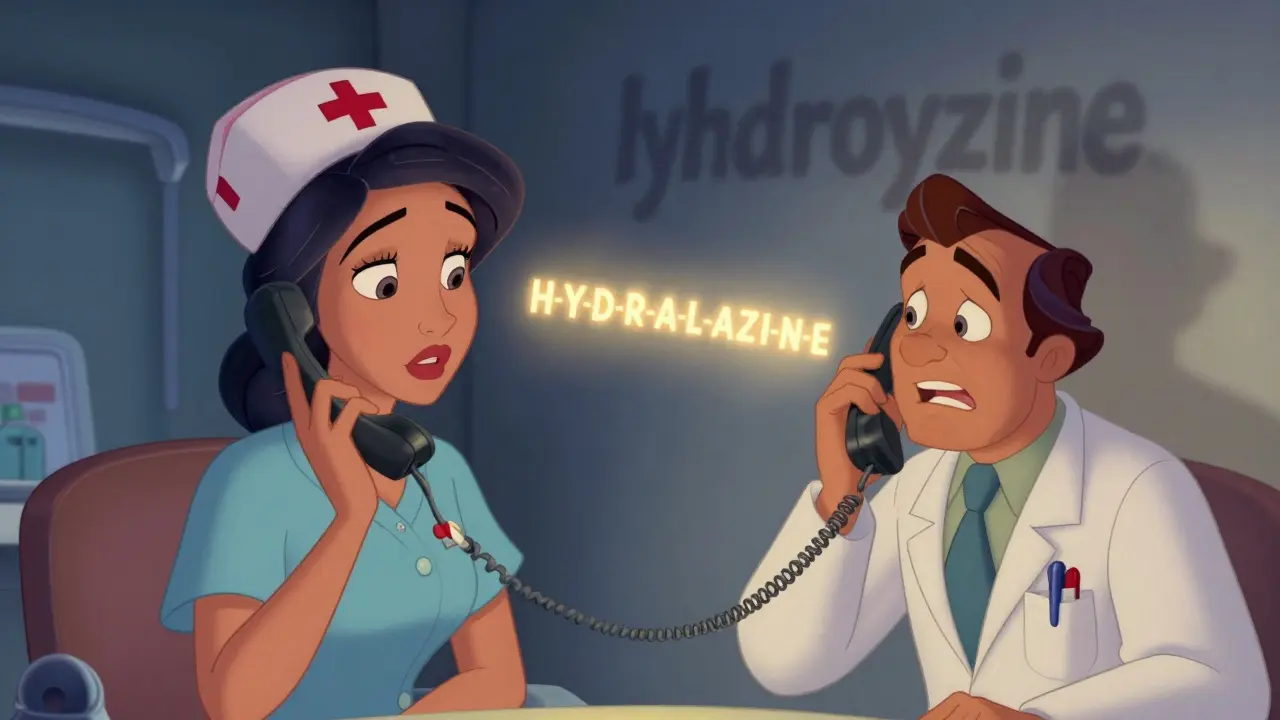
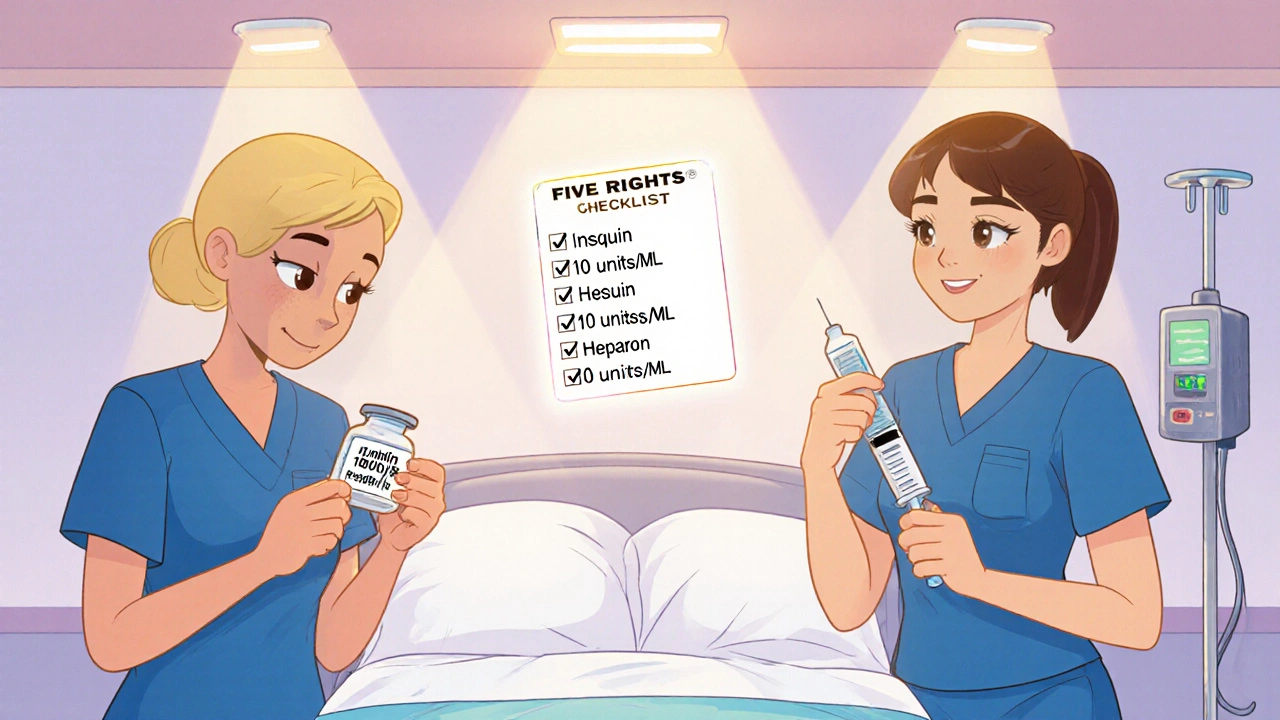
What makes these drugs so dangerous isn’t just their strength. It’s how easy it is to mess up. One pill looks like another. A decimal point gets misplaced. A patient takes two meds that shouldn’t be mixed. That’s why high-alert medications come with extra checks: double verification, special labels, automated alerts in pharmacy systems, and clear patient instructions. But even with all that, mistakes still happen—especially when people are managing multiple conditions or taking supplements that interact silently with prescriptions.
The posts here cover real-world cases where these risks play out: how insulin causes weight gain and hypoglycemia, why Danshen clashes with blood thinners, how clindamycin can trigger deadly gut infections, and how statins might be safer to restart than most think. You’ll find stories about patients who nearly lost their lives because of a simple mix-up—and how they learned to protect themselves. This isn’t theory. It’s what happens when safety slips. And if you or someone you care about is taking any of these drugs, you need to know the signs, the traps, and the steps that actually work to stay safe.