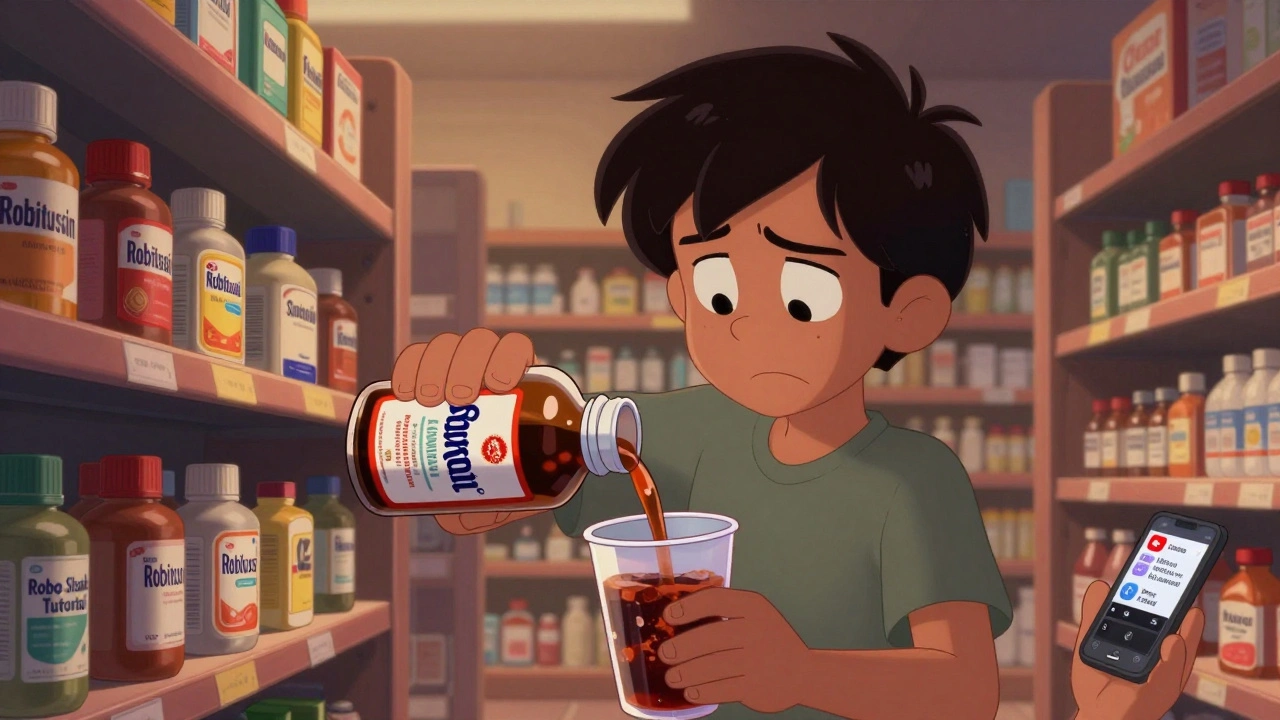
OTC Drug Abuse: Signs, Risks, and What You Can Do
When people think of drug abuse, they usually picture illegal street drugs—but OTC drug abuse, the misuse of over-the-counter medications like cough syrup, painkillers, or cold tablets is a quiet crisis hiding in plain sight. You don’t need a prescription to buy these drugs, and that’s exactly why so many people underestimate how dangerous they can be when taken in large doses or for the wrong reasons. It’s not just teens sneaking cough syrup anymore—adults are using decongestants to get high, taking too much acetaminophen to sleep, or mixing pain relievers with alcohol to chase a buzz. These aren’t harmless habits. They’re medical emergencies waiting to happen.
Pseudoephedrine, a common ingredient in cold medicines is used to make methamphetamine, which is why it’s kept behind the counter. But even without that risk, taking too much of it can raise your blood pressure to dangerous levels, trigger heart palpitations, or cause seizures. Dextromethorphan, the cough suppressant in many syrups, can cause hallucinations, loss of coordination, and even brain damage when abused. And let’s not forget acetaminophen, the active ingredient in Tylenol and hundreds of other pain relievers—take too much, even over a few days, and you can permanently wreck your liver without ever feeling sick until it’s too late. These aren’t theoretical risks. They’re documented in ER reports and FDA warnings.
What makes OTC drug abuse so hard to spot is that it starts small. Someone takes an extra pill because their headache won’t go away. Another person drinks a whole bottle of cough syrup to calm their nerves. No one thinks it’s a problem—until it is. The signs aren’t always obvious: mood swings, secrecy about medicine use, hiding empty bottles, or suddenly needing more of the same product than before. If you’ve ever wondered why someone you know is acting strange after taking a cold medicine, that’s not just a side effect—it might be abuse.
What’s in the posts below? Real stories, hard facts, and clear steps. You’ll find how the FDA tracks dangerous patterns in OTC meds, why some people get hooked faster than others, and what to do if you or someone you love is using these drugs the wrong way. You’ll also see how common medications like those used for colds, pain, or sleep can turn from helpers into hazards—and how to avoid that trap before it’s too late. This isn’t about scare tactics. It’s about knowing the truth so you can make smarter choices.