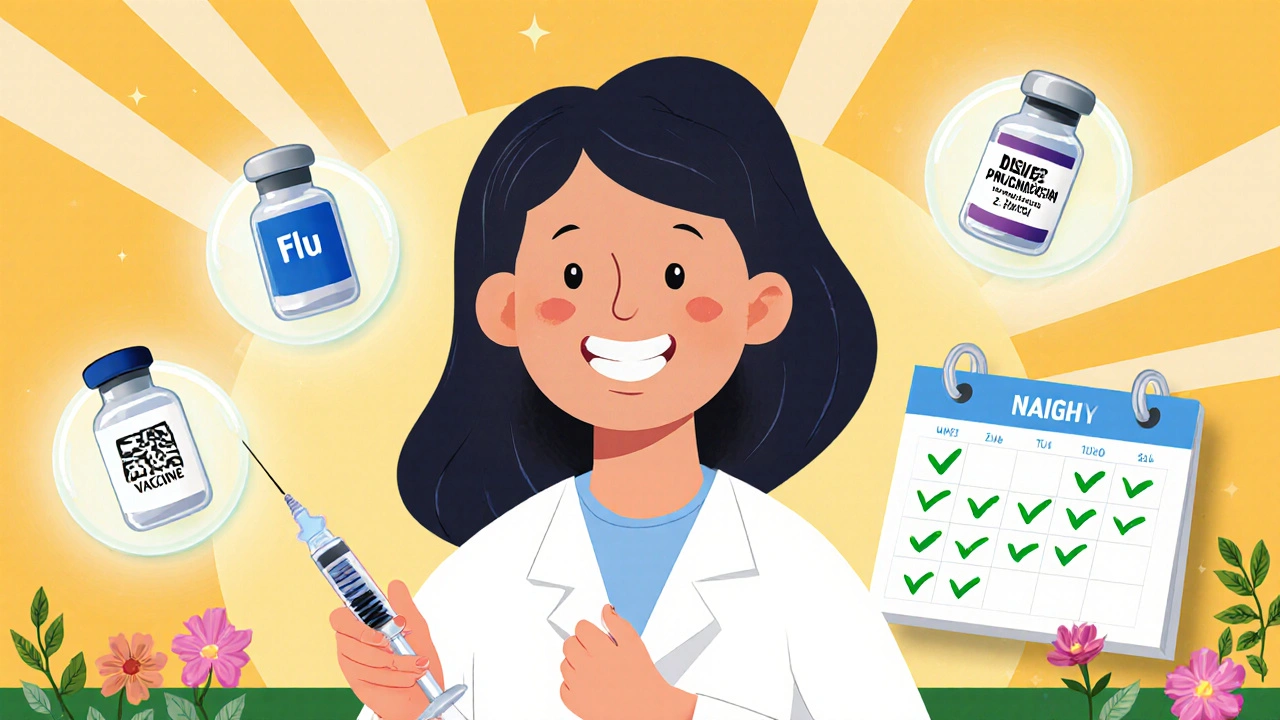
Vaccine Efficacy: What It Really Means and How It Impacts Your Health
When you hear vaccine efficacy, the measure of how well a vaccine prevents disease in controlled clinical trials, it’s not just a number—it’s a promise of protection. This isn’t about marketing or politics. It’s science: how much a vaccine reduces your chance of getting sick compared to someone who didn’t get it. A 90% efficacy rate doesn’t mean you’re 90% protected like a bulletproof vest—it means if 100 people who didn’t get the vaccine got sick, only 10 people who did get it would get sick under the same conditions. That’s the difference between risk and safety.
People often mix up vaccine efficacy, the measure of how well a vaccine prevents disease in controlled clinical trials with vaccine effectiveness, how well it works in the real world, where people have different health conditions, behaviors, and exposure levels. Efficacy comes from lab-controlled trials. Effectiveness comes from watching millions of people after the vaccine is out in the wild. One tells you what the vaccine can do. The other tells you what it does. Both matter. A vaccine with 95% efficacy might drop to 85% effectiveness if people skip boosters, have weakened immune systems, or face new variants. That’s why tracking both is critical.
It’s not just about stopping infection. Some vaccines don’t block you from catching a virus—but they stop you from ending up in the hospital. That’s still a win. Take the flu shot: it doesn’t always prevent you from getting sick, but it cuts your risk of ICU admission by half. That’s disease prevention, the goal of reducing severe illness, hospitalization, and death through immunization. And it’s why public health officials push for high vaccination rates—it’s not just about you. It’s about the person next to you who can’t get vaccinated because of age or illness. When enough people are protected, the virus can’t spread easily. That’s herd protection, and it’s built on the foundation of vaccine efficacy.
Not all vaccines are created equal. Some last years. Others need boosters every season. Some work better in kids than in older adults. That’s why understanding immune response, the body’s biological reaction to a vaccine that triggers protection against a specific pathogen matters. Your body doesn’t just remember the virus—it learns how to fight it faster and harder each time it sees it. That’s why booster shots aren’t a failure—they’re a recalibration. Your immune system isn’t broken if it needs a reminder. It’s working as designed.
Below, you’ll find real-world guides on how vaccines interact with medications, how they affect chronic conditions, and what to watch for when combining them with other treatments. No fluff. No guesswork. Just clear, practical info from people who’ve seen what happens when science meets everyday life.